
Capture Card 4K HDMI Video Streaming to USB 3.0 1080P 60FPS Capture Device
4.4Editor score
4K HDMI Input Ready
Plug and Play Setup
Low Latency Performance
Discover the top capture card for streaming high FPS gameplay to ensure smooth frame rates and zero lag for your Twitch or YouTube streams and recording
Streaming high FPS gameplay requires reliable hardware to capture every frame without delay. A quality capture card ensures your audience sees smooth motion and crisp details while you play competitive titles.
We compared ten top models based on resolution support, latency, compatibility, and ease of use. Each option balances performance and price to suit different streaming setups and budget constraints effectively.
Every pick highlights key strengths and trade-offs to help you choose wisely. Prices and availability change frequently so check the current links before making your final purchase decision today.
4.4Editor score
4.5Editor score

4.5Editor score
This side-by-side comparison shows the key specs and capabilities of each model so you can quickly see which device matches your streaming needs and console compatibility requirements.


This entry-level capture card delivers solid performance for streamers focused on 1080P 60FPS content. It rates well for ease of use and affordability making it a top choice for beginners building their first setup.
We may earn a commission when you buy through this link, at no additional cost to you.
The USB 3.0 connection ensures fast data transfer without needing external power. It supports popular software like OBS Studio and Streamlabs allowing you to start broadcasting immediately after plugging into your PC or laptop.
While it lacks advanced features like 4K recording or HDR support it handles competitive gaming well. The low-latency performance means you see minimal delay between your gameplay and what viewers on Twitch or YouTube see.
Budget-conscious creators should consider this card for reliable day-to-day streaming. It works seamlessly with consoles like PS5 Xbox and Switch offering versatile compatibility without breaking the bank for essential capture needs.
The device recognizes automatically as a webcam upon connection which simplifies configuration for users unfamiliar with hardware setups.
It accepts input from various HDMI-enabled devices including DSLR cameras and set-top boxes beyond just gaming consoles.
We may earn a commission when you buy through this link, at no additional cost to you.
This model balances performance and affordability with strong support for high frame rate inputs. It captures up to 1080P at 144Hz providing fluid visuals for competitive gaming streams without lag or stuttering issues.
We may earn a commission when you buy through this link, at no additional cost to you.
The included microphone input allows you to add commentary directly during gameplay. This feature eliminates the need for separate audio mixers making it convenient for solo streamers or podcaster who value simple setups.
While it does not support 4K120Hz input it handles most console games well. The HDMI loop-out ensures you can play on your monitor while broadcasting simultaneously ensuring an uninterrupted experience for yourself and your audience.
Users seeking reliable capture for 1080P content will appreciate its stable performance. It integrates well with major platforms like Twitch and Facebook offering consistent quality for regular broadcasting sessions and content creation.
The 3.5mm TRS mic input accepts standard headsets so you can embed voice directly into your stream feed.
It works with both Windows and Mac OS systems expanding your options for where you can stream from.
We may earn a commission when you buy through this link, at no additional cost to you.
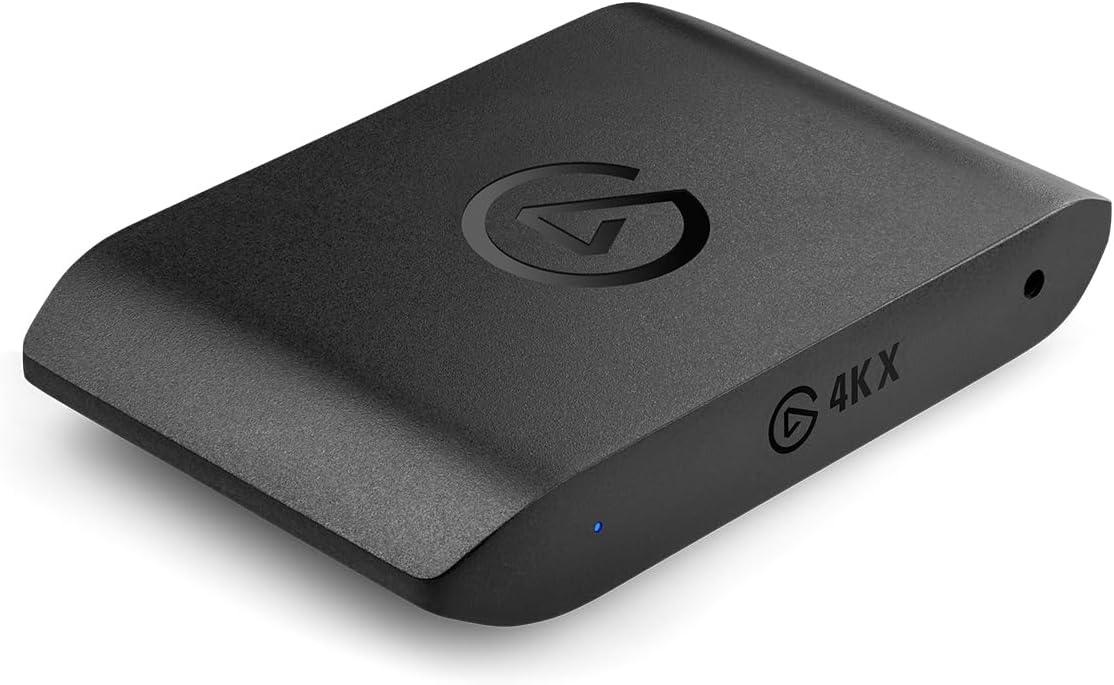
The Elgato 4K X stands out with its HDMI 2.1 support enabling 4K capture at 144Hz. This capability ensures competitive gamers can stream fast-paced action without sacrificing visual quality or frame rate fidelity on modern consoles.
We may earn a commission when you buy through this link, at no additional cost to you.
Its variable refresh rate passthrough eliminates screen tearing for a smoother viewing experience. You enjoy gameplay without visual artifacts while your broadcast remains perfectly synchronized with your on-screen actions in real time.
USB 3.2 Gen 2 connectivity guarantees ultra-low latency for responsive interaction during live streams. This makes it ideal for competitive esports where timing and immediate feedback are critical for both players and viewers.
Creators prioritizing next-generation performance should choose this card for its reliability. It supports a wide range of streaming apps and platforms delivering unparalleled flexibility for those building professional-quality content channels.
HDMI 2.1 allows for high bandwidth transfers necessary for 4K resolutions and high refresh rates simultaneously.
Works flawlessly with OBS Streamlabs and Twitch Studio ensuring you can start streaming immediately without config hurdles.
We may earn a commission when you buy through this link, at no additional cost to you.
The XIIXMASK model supports up to 4K60FPS capture with pass-through functionality. It is designed for content creators who need flexibility with high frame rate video and clear audio mixing for professional output without complexity.
We may earn a commission when you buy through this link, at no additional cost to you.
Its USB 3.0 connection offers fast data transfer and broad OS support from Windows to Linux. This makes it a versatile choice for hybrid setups where you might switch between different hardware configurations frequently.
The 3.5mm audio and mic ports allow direct integration of external microphones. This ensures your commentary remains synchronized with gameplay reducing post-production work needed to align voice and video tracks effectively.
Streamers needing reliable 4K input at reasonable cost will find it useful. While it may lack premium build quality it delivers functional performance for daily streaming and recording tasks across various gaming platforms.
You can record gameplay at 4K60FPS which provides high detail for later editing and high-quality YouTube uploads.
It supports Windows macOS Linux and even Android making it flexible for diverse creator environments.
We may earn a commission when you buy through this link, at no additional cost to you.
acer offers a reliable card focused on simplicity and color quality with YUY2 technology. It ensures lifelike live streaming visuals while keeping setup straightforward for users who want immediate results without technical friction or learning curves.
We may earn a commission when you buy through this link, at no additional cost to you.
The mic-in feature allows direct headset connection for commentary during live sessions. This eliminates extra adapters ensuring your voice stays perfectly synced with video which is vital for maintaining engagement and professionalism on streaming platforms.
Its HDMI loop-out lets you monitor gameplay on a separate screen while broadcasting. This dual display setup helps you manage chat or settings without interrupting the main game feed for yourself or your audience.
Portable creators or teachers can benefit from its small form factor. It fits easily in a bag for on-the-go sessions making it a practical tool for online classes vlogs or live events requiring quick deployment.
YUY2 format delivers richer color reproduction compared to standard MJPEG encoding which improves visual clarity.
Plug and play functionality means you can start streaming within minutes of connecting the device to your PC.
We may earn a commission when you buy through this link, at no additional cost to you.
PORTTA DX20R stands out with its ability to handle 1080p at 240Hz pass-through. This ensures competitive players can stream high frame rates without lag while viewing on their main display which enhances the live experience.
We may earn a commission when you buy through this link, at no additional cost to you.
Advanced HDR and VRR technology deliver superior image quality during gameplay. These features reduce screen tearing and ensure smooth motion which is essential for fast-paced titles where visuals impact viewer engagement significantly.
The utility software offers deeper customization over EDID and VRR modes. This flexibility allows power users to optimize settings for specific consoles or games ensuring maximum performance for their streaming setup.
Gamers wanting high refresh passthrough on a budget should consider this card. Its plug-and-play nature works well with major platforms while the added control software provides tuning options for advanced streaming needs.
Supporting 240Hz pass-through means your monitor sees the full frame rate without dropping frames.
The smart switch allows quick adjustments to display settings without navigating complex menus.
We may earn a commission when you buy through this link, at no additional cost to you.
ASUS offers a durable capture card with an alloy shell for lasting performance. Its near-zero latency ensures that what you see matches the broadcast in real time allowing for more reactive and immersive live streams.
We may earn a commission when you buy through this link, at no additional cost to you.
The device supports 4K HDR passthrough so you can play games at their highest visual fidelity. Even though capture tops out at 30fps in 4K the HDR support ensures vivid colors and contrast for better overall output.
USB 3.2 Type-C connectivity provides fast stable data transfer to modern PCs. This future-proof port ensures compatibility with newer laptops and desktops making setup quick and efficient for any user environment.
Gamers prioritizing build quality and minimal footprint should choose this card. It is ideal for setups where space is limited or durability matters during frequent transport and daily use.
The alloy outer shell is designed to withstand daily wear and tear better than standard plastic housing.
Controller and headset connections allow team voice comms to be shared directly with your audience.
We may earn a commission when you buy through this link, at no additional cost to you.
BlueAVS captures up to 1080P at 240Hz ensuring esports titles remain fluid during recording. The lossless passthrough maintains original frame rates without cropping or compression which is critical for competitive gaming streams.
We may earn a commission when you buy through this link, at no additional cost to you.
Support for HDR VRR and ALLM provides tear-free visuals and smooth motion. This ensures your stream looks professional with rich colors and responsive performance whether you are playing FPS or racing games.
The dedicated 3.5mm audio port allows complete control over your stream's audio. You can mix line-in and headset audio easily giving you professional-grade sound mixing capabilities without needing additional external hardware.
Esports players and high refresh rate users will find this card valuable. Its UVC compliant nature makes it plug and play ready while the high frame rate support sets it apart from budget competitors.
Windows and macOS recognize the card as a standard webcam device streamlining your setup process.
Use the 3.5mm port to integrate commentary or ambient sound directly into the capture stream.
We may earn a commission when you buy through this link, at no additional cost to you.
AVerMedia offers an internal capture card ideal for users with open PC cases. It leverages PCIe bandwidth for ultra-low latency ensuring broadcast and gameplay remain perfectly synchronized without any noticeable delay.
We may earn a commission when you buy through this link, at no additional cost to you.
The HDMI 2.1 support allows capturing at 4K60 with refresh rates up to 240Hz. This means you can stream high frame rate content without compromising on resolution or visual fidelity for a premium viewing experience.
Installation involves plugging it into your motherboard's PCIe slot which saves a USB port on your PC. It works seamlessly with PS5 Xbox and Switch providing versatile connectivity for next-gen consoles.
Builders seeking maximum performance should choose this internal option. It delivers consistent high-quality capture for serious content creators who want to eliminate external cable clutter for maximum efficiency.
Installing internally frees up USB ports and provides a stable connection to your system.
Support for 240Hz ensures you can stream fast-paced competitive matches without dropping frames.
We may earn a commission when you buy through this link, at no additional cost to you.
The Elgato 4K Pro delivers an unrivaled experience with 8K60 passthrough capabilities. This ensures your monitor always displays the highest quality visuals while you capture in stunning 4K60 for your content.
We may earn a commission when you buy through this link, at no additional cost to you.
It supports up to 240fps at 1080p resolution for fluid motion capture. This makes it perfect for competitive games where frame rate precision matters for both you and your audience.
Variable Refresh Rate technology prevents screen tearing during high speed gameplay. The ultra-low latency ensures your broadcast remains synced with your actions for a polished professional streaming experience.
Professional streamers needing the best performance should choose this card. While expensive it offers seamless broadcasting and versatile platform support for those committed to top-tier content production.
Capturing in 4K60 ensures your videos look crisp and detailed for viewers on any screen size.
Connect seamlessly to apps like Twitch and Zoom ensuring you reach audiences wherever they are.
We may earn a commission when you buy through this link, at no additional cost to you.
Selecting the right capture card depends on your budget resolution needs and console setup.
Look for cards that support at least 1080P at 60Hz but prefer those offering 4K60 or higher frame rates like 144Hz if you play competitive shooters or racing games.
Ensure your capture card can handle high refresh inputs without dropping frames to maintain smooth playback for your viewers.
External USB cards are easier to set up for laptops while internal PCIe cards offer more stable connections for desktop builds.
USB 3.0 or Type-C ensures fast data transfer rates necessary for 4K streaming without latency issues.
Low latency is critical for interactive live streams as high delay can disrupt gameplay feedback.
Choose models with USB 3.2 Gen 2 or HDMI 2.1 for minimal lag between your actions and the broadcast output.
Passthrough allows you to play games on your monitor while capturing the signal so you avoid input lag.
Ensure the passthrough supports the same resolution and frame rate as your console for the best experience.
Check for 3.5mm mic-in or audio-out ports to easily integrate commentary or separate sound tracks.
Built-in audio mixing saves you from needing extra hardware like mixers for professional sounding streams.
Verify the device works with your streaming apps like OBS or Streamlabs without complex driver installations.
Cross platform support ensures you can stream from Windows Mac or even Linux systems if needed.
Budget cards are sufficient for casual streaming but premium models offer better build quality and higher specs.
Balance your spending with your needs so you do not pay for features you will never use.
Durable materials like alloy shells ensure the device withstands frequent transport and daily use.
A compact and sturdy design helps maintain reliability even in portable streaming setups.
Connect your console to the capture card via HDMI and then plug the card into your PC or laptop using USB or PCIe.
Install compatible software like OBS and select the capture device as your video source to begin broadcasting live.
Keep firmware updated and ensure good ventilation around the device to prevent overheating during long sessions.
Yes most external capture cards work with laptops via USB ports as long as they support your system's OS. Check your USB specifications to ensure you have a fast enough port for smooth streaming.
Internal cards fit into a desktop PC's PCIe slot and offer better stability while external cards connect via USB and are portable for laptops. Both serve the same purpose but internal ones use more system resources.
Most modern cards are plug and play and do not require drivers for basic use. However installing manufacturer software may unlock extra features or updates for better performance.
Use the microphone input if available or connect your headset directly to your PC for voice audio. Ensure your streaming software is set to capture from the correct source for clear sound.
Modern low latency cards add minimal lag especially with HDMI 2.1 or USB 3.2 interfaces. Using passthrough ensures you play on your monitor without delay from the capture device.
Look for models supporting HDMI 2.1 and at least 4K60 capture or 1080P at high frame rates like 144Hz for smooth gameplay without resolution loss.
We highlighted top models like the Elgato 4K X for high frame rates and acer for budget friendly performance.
Prioritize latency and resolution support based on your specific gaming needs to ensure your stream looks professional.
Prices change often so check current links to get the best deal for your preferred model today.