
AMD Ryzen 7 7800X3D
4.8Editor score
96MB L3 cache advantage
Affordable AM5 platform entry
Low power consumption design
Discover the top CPUs for 3D rendering in October 2026. We compare performance, cores, cache, and efficiency to help you choose the right processor.
Choosing the right CPU is critical for 3D rendering workflows. You need high core counts, fast clock speeds, and efficient architecture to handle complex scenes and textures without delays.
We evaluated the latest processors based on rendering benchmarks, multitasking ability, and platform support. Our list includes options for hobbyists and professionals seeking maximum productivity.
Each pick highlights key strengths and ideal use cases. Note that product availability and pricing fluctuate frequently, so verify current details before making your final purchase decision today.
4.8Editor score

4.7Editor score

4.2Editor score
This table compares all ten processors side by side to highlight their core counts, architecture, and key features for 3D rendering tasks.

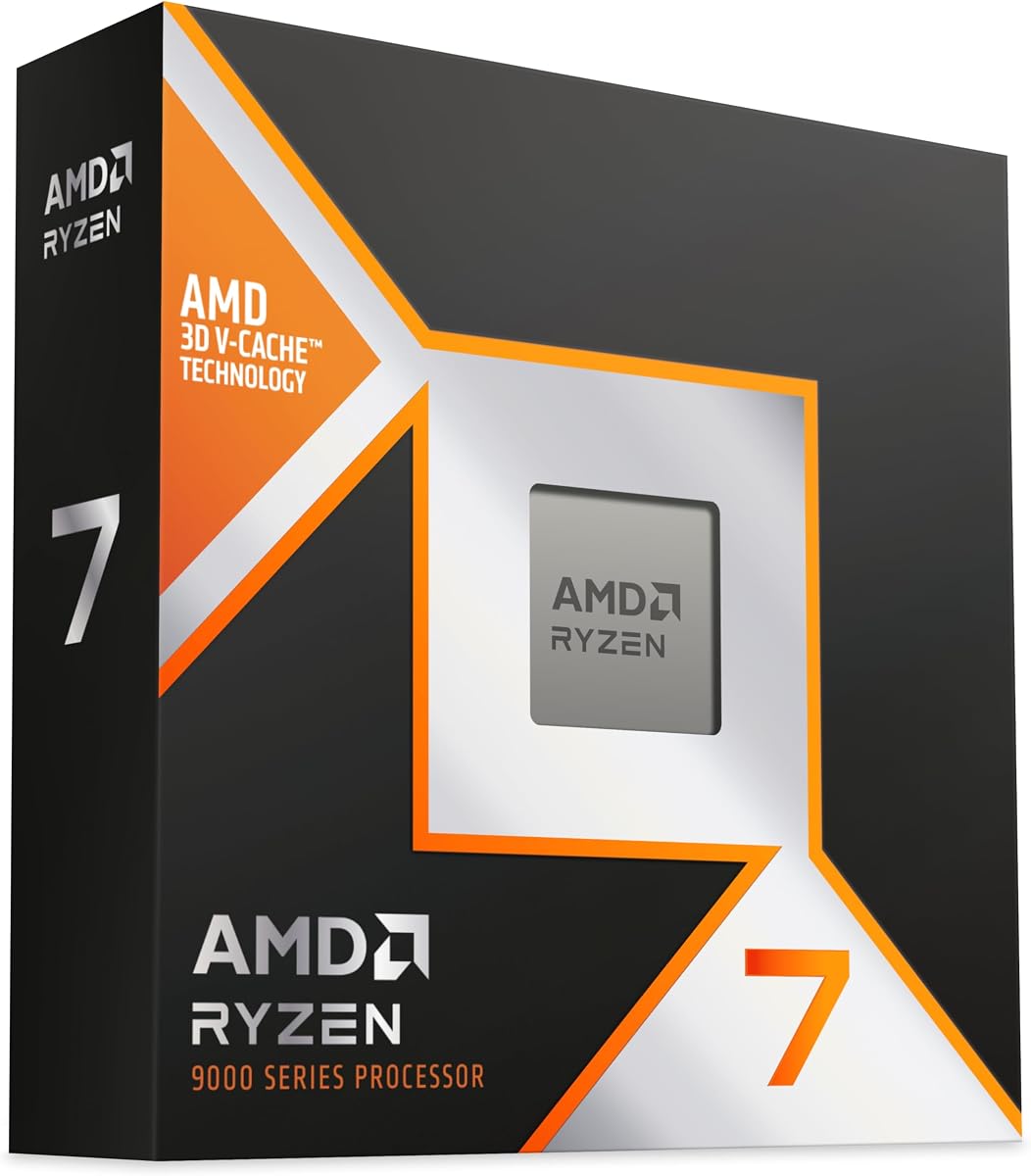


The AMD Ryzen 9 9950X3D stands out as a top choice for 3D rendering due to its impressive core count and architecture. It scores high ratings for performance efficiency and reliability.
We may earn a commission when you buy through this link, at no additional cost to you.
With 16 cores and 32 threads, it handles heavy rendering tasks effortlessly. The Zen 5 architecture ensures every thread contributes effectively to reducing total render times.
The boost clock reaching up to 5.7 GHz ensures single threaded tasks also benefit. This versatility makes it a strong candidate for mixed workloads.
Professional artists and studios should prioritize this model if budget allows. It delivers consistent speed and handles complex geometry without stalling.
The 16 core configuration significantly reduces wait times for final frame generation.
Zen 5 technology provides better instructions per clock for faster task completion.
We may earn a commission when you buy through this link, at no additional cost to you.
The Ryzen 7 7800X3D offers a compelling balance of cost and performance for budget conscious users. Its 4.8 rating reflects strong satisfaction among early adopters.
We may earn a commission when you buy through this link, at no additional cost to you.
The massive 96MB L3 cache helps with texture loading and complex scene calculations. This feature is a hidden gem for rendering workflows.
While it has fewer cores than higher end models, its single threaded speed remains excellent. This makes it suitable for smaller studios or freelancers.
Beginners and hobbyists will find this processor ideal for learning 3D software. It provides a solid foundation without breaking the bank.
The 96MB L3 cache improves data access speed during rendering calculations.
Its lower price makes high performance accessible to entry level creators.
We may earn a commission when you buy through this link, at no additional cost to you.
This processor represents the pinnacle of rendering power available today. Its 4.2 rating indicates high performance despite the premium nature of the hardware.
We may earn a commission when you buy through this link, at no additional cost to you.
With 32 cores and 64 threads, it can handle multiple complex renders simultaneously. The massive cache further reduces bottlenecks during calculation phases.
Support for 128 PCIe lanes allows for multiple GPUs and high speed storage. This connectivity is crucial for heavy industrial design workflows.
Enterprises and large studios should consider this for maximum throughput. It is built to handle heavy daily loads without hesitation.
64 threads allow for concurrent rendering of multiple projects.
PCIe 5.0 lanes ensure fast data transfer for large assets.
We may earn a commission when you buy through this link, at no additional cost to you.
The 9800X3D brings the latest Zen 5 technology to mid range rendering needs. Its 4.8 rating highlights its efficiency and speed.
We may earn a commission when you buy through this link, at no additional cost to you.
It delivers a significant IPC uplift over previous generations which speeds up calculations. The 96MB L3 cache supports better thermal performance during long sessions.
While primarily targeted at gaming, its cache benefits rendering tasks significantly. The drop-in AM5 ready nature simplifies upgrades for existing users.
Upgraders looking for a balance should consider this unit highly. It offers modern performance without the premium of the full X9 range.
Enhanced instructions per clock improve overall calculation speed.
Improved thermal performance allows sustained performance under load.
We may earn a commission when you buy through this link, at no additional cost to you.
The Ryzen 7 9850X3D is a solid option for those needing efficient performance. Its 4.8 rating reflects consistent reliability across tasks.
We may earn a commission when you buy through this link, at no additional cost to you.
It leverages the AM5 platform to ensure long term support and speed. The Zen 5 architecture provides a modern foundation for software compatibility.
While specific cache details vary, it maintains a strong performance profile. This makes it a safe choice for building a stable workstation.
Builders needing a dependable CPU should look at this model. It offers the latest tech without unnecessary overhead or complexity.
AM5 support ensures the CPU remains relevant for years.
Zen 5 design provides faster execution of complex tasks.
We may earn a commission when you buy through this link, at no additional cost to you.
The 9950X offers a robust alternative to the X3D versions for pure core speed. Its 4.8 rating points to excellent creator performance.
We may earn a commission when you buy through this link, at no additional cost to you.
With 16 cores and 32 threads, it excels at multi-threaded rendering work. The unlocked status allows enthusiasts to push speeds further if needed.
Support for DDR5 ensures fast data throughput which is vital for rendering. However, it does demand a liquid cooler for optimal function.
Power users who prefer traditional scaling might prefer this over X3D. It delivers raw power for heavy and complex scene processing.
Unlocked multiplier allows for manual tuning to increase speed.
DDR5 support ensures fast access to large asset libraries.
We may earn a commission when you buy through this link, at no additional cost to you.
The Ryzen 5 9600X serves as an accessible entry point to AM5. Its 4.8 rating suggests solid performance for light tasks.
We may earn a commission when you buy through this link, at no additional cost to you.
With 6 cores and 12 threads, it is best for learning or light modeling. The boost clock of 5.4 GHz helps with single task speed.
While not a heavy rendering powerhouse, it supports PCIe 5.0 on select boards. This future proofs the build for potential upgrades.
Students and hobbyists starting out may find this sufficient. It offers modern features at a very accessible price point.
Ideal for basic modeling and animation without heavy rendering.
Supports modern PCIe 5.0 for upcoming GPU and storage.
We may earn a commission when you buy through this link, at no additional cost to you.
The Threadripper PRO 5955WX is a professional solution for stable rendering. Its 4.8 rating highlights consistent performance under load.
We may earn a commission when you buy through this link, at no additional cost to you.
With 16 cores and 32 threads, it handles parallel work well. The 4.0 GHz base clock ensures steady performance even under stress.
Support for DDR4 allows compatibility with existing workstation builds. This makes it a cost effective upgrade for specific setups.
Professionals needing stability should value this processor highly. It delivers professional grade output without unexpected system pauses.
Workstation grade silicon ensures long hours of rendering.
High speed memory support helps reduce rendering bottlenecks.
We may earn a commission when you buy through this link, at no additional cost to you.
The Intel Core Ultra 7 270K Plus introduces Arrow Lake to rendering. Its 4.6 rating reflects solid potential for multi-threaded tasks.
We may earn a commission when you buy through this link, at no additional cost to you.
With 24 cores split between performance and efficiency, it handles mixed loads. This design helps manage heat while maintaining throughput.
Support for PCIe 5.0 ensures compatibility with top tier GPUs and storage. The boost clock of 5.5 GHz helps with single core needs.
Intel users transitioning to new platforms might find this compelling. It offers competitive specs for those preferring Intel ecosystems.
Efficiency cores help manage background tasks during rendering.
DDR5 and PCIe 5.0 support ensure modern hardware compatibility.
We may earn a commission when you buy through this link, at no additional cost to you.
The Ryzen 9 5900XT offers a budget friendly option for older platforms. Its 4.8 rating highlights its reliability for many users.
We may earn a commission when you buy through this link, at no additional cost to you.
With 12 cores and 24 threads, it handles heavy workloads well. The max boost of 4.8 GHz ensures fast execution for various tasks.
It relies on the older AM4 platform which limits future upgrades. However, it remains a powerful choice for budget constrained builds.
Users on existing AM4 boards can upgrade easily with this chip. It delivers high thread counts without requiring a full system swap.
Works with existing AM4 boards for easy upgrades.
High thread count enables fast rendering for smaller scenes.
We may earn a commission when you buy through this link, at no additional cost to you.
Selecting the right CPU requires understanding core counts, clock speeds, and platform support for your specific rendering needs.
Rendering engines rely heavily on multi-threading to calculate pixels. More cores generally lead to faster render times for complex scenes.
Prioritize CPUs with at least 16 threads for serious work to ensure smooth multitasking.
High boost clock speeds help with single-threaded tasks like viewport navigation. This ensures a responsive workflow while setting up scenes.
Look for boost speeds above 5.0 GHz for optimal responsiveness in most software.
Larger L3 cache reduces latency when accessing frequently used geometry. This is crucial for handling large textures and high polygon models.
Aim for 96MB or higher cache to minimize data access delays.
Choosing a current platform like AM5 ensures longevity and upgrade paths. Newer sockets support faster RAM and PCIe 5.0 storage.
Always check if your current motherboard supports the CPU before buying.
High performance CPUs generate significant heat during long renders. A strong cooler is essential to maintain boost clocks and system stability.
Liquid cooling is recommended for top-tier chips to sustain peak performance.
Faster RAM speeds improve the rate at which data reaches the CPU. DDR5 memory offers higher bandwidth compared to older DDR4 standards.
Ensure the CPU supports the memory speed you plan to use for best results.
Balance performance needs with available funds to avoid overspending. Entry-level chips may suffice for learning while pros need high-end options.
Consider future-proofing by investing in a platform that allows upgrades.
Some rendering engines are optimized for specific CPU architectures. Check if your favorite software benefits from AM5 or Intel features.
Research engine-specific benchmarks to see which CPU performs best for your tools.
Install your CPU carefully by aligning the pins correctly with the socket. Ensure the cooler is mounted securely to prevent overheating during heavy tasks.
Update your motherboard BIOS regularly to maintain compatibility with the latest firmware. This helps prevent stability issues when running complex renders.
Monitor your system temperatures using reliable software tools. High thermal output may require better airflow or more cooling solutions for long sessions.
For professional rendering, 16 cores are recommended. Hobbyists may find 8 cores sufficient for learning and light modeling.
While DDR4 works, DDR5 offers faster speeds which reduce render times. It is a worthwhile investment for future-proofing your workstation.
AMD often leads in core density and cache, while Intel excels in single-core speed. Both perform well depending on your specific software optimization.
High-end chips like the 9950X require liquid cooling to sustain boost speeds. Entry-level models can run on air coolers effectively.
Yes, AM5 supports future CPU generations. This means you can upgrade without changing your motherboard in the near future.
Larger cache reduces latency for frequently accessed data. This is particularly beneficial for complex scenes with many assets.
The 9950X3D stands as a top choice for balance between core power and efficiency. Budget users will find the 7800X3D a worthy alternative.
Prioritize core count and cache size for complex scene rendering. Ensure your platform supports future upgrades to maximize longevity.
Always verify current stock and prices before purchasing. Technology moves fast so checking today ensures you get the best deal available.