
Dell 15.6 Inch Laptop
4.3Editor score
Intel Core i5 1334U Processor
FHD Display with ComfortView
Express Charge Battery Technology
1 Year Onsite Service Included
This guide compares the top laptops for engineering students in 2026, analyzing performance, display quality, portability, and battery life to help you find
Choosing the right laptop for engineering students is a critical decision that impacts your academic success and daily workflow. You need a machine capable of handling complex simulations, CAD software, and data analysis without breaking the bank. The best engineering laptops balance powerful hardware with portability, ensuring you can work anywhere on campus or at home.
We have evaluated ten top-rated models based on processor speed, memory capacity, storage options, and display quality. Our comparison focuses on real-world performance for engineering tasks like coding, modeling, and virtual meetings. Each product was selected for its ability to meet the rigorous demands of modern engineering curriculums.
Every pick in this list highlights specific strengths tailored to different engineering disciplines and budgets. Whether you need a powerhouse for mechanical design or a portable device for civil field work, these models offer reliable solutions. Please note that product availability and pricing may fluctuate, so check current listings before purchasing.
4.3Editor score

4.6Editor score

4.4Editor score
The following table provides a detailed side-by-side comparison of all ten laptops featured in this guide. We have extracted key specifications from each product to help you quickly identify which model best fits your specific engineering requirements and budget constraints.




The HP 17 Inch FHD Laptop stands out as a top choice for engineering students who prioritize screen real estate and processing power. With a rating of 4.6 stars, it delivers robust performance through its AMD Ryzen 5 7430U processor and 16GB of RAM. This combination ensures smooth operation when running demanding engineering software like AutoCAD or MATLAB.
We may earn a commission when you buy through this link, at no additional cost to you.
Its expansive 17.3-inch Full HD IPS display provides exceptional clarity for detailed schematics and data visualization. The anti-glare coating reduces eye strain during long study sessions, making it ideal for extended work periods. Additionally, the 1TB SSD offers ample space for storing large project files, virtual machines, and multimedia content without needing external drives.
While the weight is higher than ultra-portable options, the productivity gains from the larger screen and better keyboard often outweigh this trade-off for stationary work. The inclusion of Windows 11 Pro adds security and management features beneficial for university networks. HP Fast Charge technology ensures you can get back to work quickly after a short break.
This laptop is recommended for mechanical and civil engineering students who need precise visual detail and significant storage capacity. It balances performance and usability effectively for those who do not need to carry their device daily. For students focused on heavy computational tasks, this model offers reliable speed and stability.
Windows 11 Pro provides advanced security features like BitLocker encryption and remote desktop capabilities. These tools are valuable for engineering students managing sensitive project data or collaborating on remote servers.
HP Fast Charge technology restores up to 50 percent of battery life in just 45 minutes. This quick top-up is perfect for students rushing between classes or meetings who need immediate power.
We may earn a commission when you buy through this link, at no additional cost to you.
The Dell 15.6 Laptop is engineered for efficiency and comfort, making it a strong contender for engineering students who value reliability. Powered by an Intel Core i5 1334U processor, it handles multitasking and moderate computational loads with ease. The design prioritizes user comfort with ergonomic hinges that improve typing posture during long coding sessions.
We may earn a commission when you buy through this link, at no additional cost to you.
A standout feature is the ComfortView software which reduces harmful blue light emissions. This is crucial for students who spend hours staring at screens for CAD work or reading technical documents. The Full HD display ensures sharp text and clear graphics, essential for precision work in design and analysis.
Express Charge support extends your productivity by allowing rapid battery replenishment. This feature minimizes downtime during critical study periods. While it lacks the massive storage of some competitors, its balanced performance and build quality make it a durable choice for daily academic use.
Recommended for electrical and software engineering students who need a portable yet powerful machine. The included onsite service adds peace of mind for long-term use. If you prioritize build quality and eye comfort over raw specs, this Dell model is an excellent investment.
Lifted hinges provide a natural typing angle that reduces wrist strain. This ergonomic support helps prevent fatigue during extended periods of writing code or drafting documents.
Dell Services includes one year of onsite support to resolve hardware issues quickly. This direct assistance ensures minimal disruption to your coursework when technical problems arise.
We may earn a commission when you buy through this link, at no additional cost to you.
The HP 2026 Essential Laptop offers a compelling entry point for engineering students on a tight budget. Despite its lower price, it features an Intel N150 processor and modern connectivity options like Wi-Fi 6. Its lightweight design makes it easy to carry around campus for lectures and group study sessions.
We may earn a commission when you buy through this link, at no additional cost to you.
Battery life is a major strength here with up to 11 hours of video playback. This allows students to work through the day without hunting for power outlets. The anti-glare display and micro-edge bezel provide a decent viewing experience for general productivity tasks and online classes.
However, the 4GB RAM and 128GB storage limit its capability for heavy engineering software. It is best suited for introductory courses, general research, and lighter applications. Cloud storage or external drives may be necessary to manage larger project files effectively.
This laptop is ideal for first-year students who need a reliable device for basic tasks without overspending. It serves as a solid secondary machine or primary device for lighter workloads. With its efficient performance and portability, it represents excellent value for money.
Wi-Fi 6 and Bluetooth 5.4 ensure fast and stable wireless connections. This modern infrastructure supports seamless streaming and file transfers in crowded campus networks.
Microsoft Copilot integration provides AI-powered assistance for drafting emails and research. These tools help streamline administrative tasks and focus more energy on technical work.
We may earn a commission when you buy through this link, at no additional cost to you.
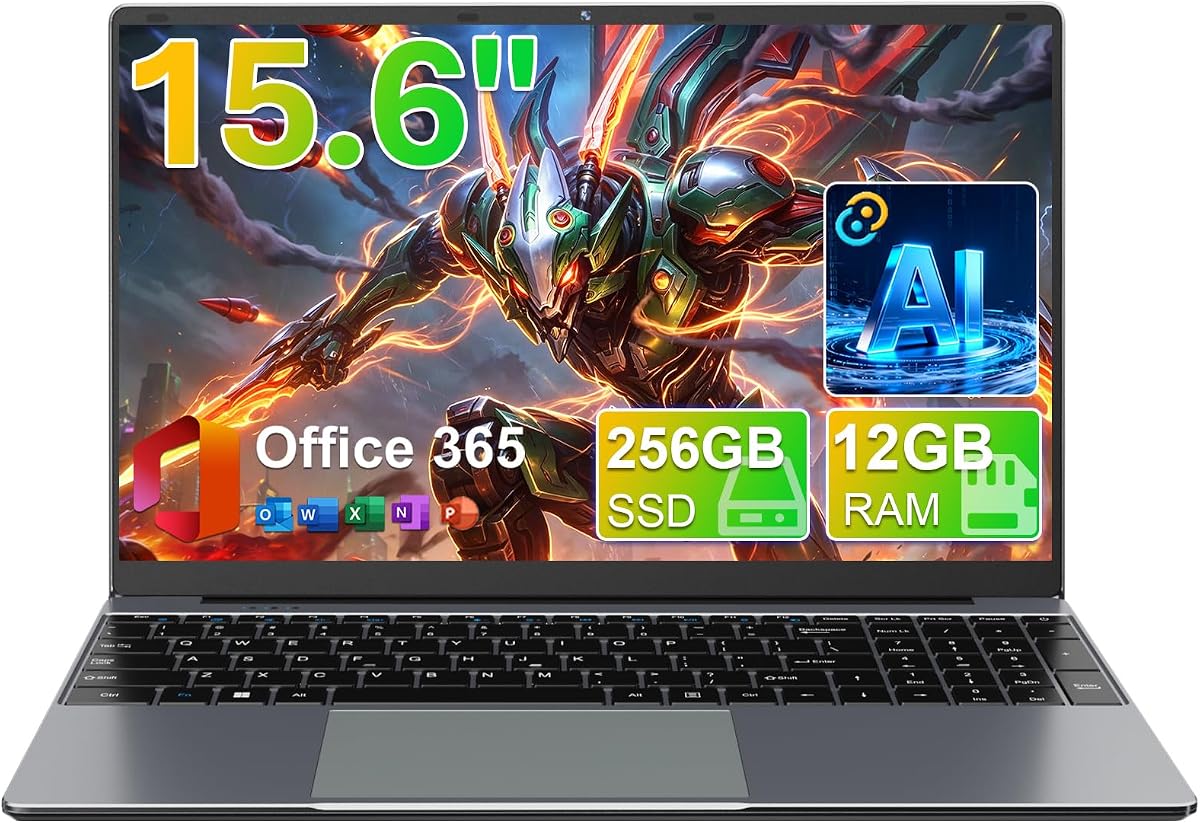
This Windows 11 Laptop delivers a balanced mix of performance and portability for college engineering students. With 12GB of RAM and an Intel Core i3 processor, it handles multitasking and standard office work well. The 256GB SSD ensures quick boot times and responsive application launching for daily tasks.
We may earn a commission when you buy through this link, at no additional cost to you.
The 15.6-inch Full HD anti-glare screen offers clear visuals for reading textbooks and writing code. Its lightweight frame of 3.6 lbs makes it easy to slip into a backpack for daily commutes. The backlit keyboard is a useful feature for late-night studying in dimly lit environments.
While the integrated graphics are not suitable for heavy 3D modeling, the system is robust enough for coding and data analysis tasks. Connectivity options like HDMI and Type-C allow for easy connection to external monitors or projectors in classrooms. This makes it a versatile tool for presentations.
Ideal for computer science or general engineering students who prioritize a smooth experience over high-end rendering. The included accessories like the charger and webcam make it ready to use out of the box. It is a practical choice for students needing a reliable daily driver without breaking the bank.
The package includes essential accessories like a webcam and dual stereo speakers. This completeness saves time and extra cost for students setting up their workspace immediately.
A TF card slot supports expansion up to 2TB for additional file storage. This flexibility helps manage large datasets or media libraries without replacing the internal drive.
We may earn a commission when you buy through this link, at no additional cost to you.
The HP Stream 14 Laptop distinguishes itself with impressive RAM and storage options for its category. Featuring 16GB of RAM, it manages multiple browser tabs and applications smoothly. The inclusion of a 1TB docking station set provides extensive storage for project files and media.
We may earn a commission when you buy through this link, at no additional cost to you.
Its compact 14-inch design is perfect for students who need a lightweight device for portability. The Intel Celeron N4120 processor handles basic productivity tasks well but may struggle with heavy engineering simulations. However, the 1-year Office 365 subscription adds significant value for academic work.
The HD display offers decent viewing for documents and streaming though it is not Full HD. Connectivity is handled through standard ports and Bluetooth 5.2 for reliable wireless accessories. This machine is a strong contender for those needing high capacity without a high price tag.
Best suited for general engineering students focusing on documentation and light analysis. It is an excellent choice if you need to store large amounts of data on a budget. For pure productivity and storage needs, this model offers a unique combination of features.
16GB of DDR4 RAM ensures smooth switching between heavy applications. This headroom is rare at this price point and helps prevent system slowdowns.
The included 1-year Office 365 subscription covers Word and Excel. This ready-to-use software streamlines report writing and data management tasks immediately.
We may earn a commission when you buy through this link, at no additional cost to you.
This HP 14 Laptop excels in battery endurance, offering up to 11 hours of use on a single charge. The Intel Processor N150 provides reliable performance for everyday tasks and basic coding. Its compact form factor makes it an ideal companion for students moving between lecture halls and libraries.
We may earn a commission when you buy through this link, at no additional cost to you.
The inclusion of a 1-year Microsoft 365 subscription adds immediate value for coursework and assignments. Wi-Fi 6 ensures fast connectivity in crowded campus networks, while the Copilot AI key offers quick access to productivity tools. The HD camera supports clear video calls for remote collaboration.
Storage is limited to 128GB UFS, which may require careful management of files. However, for students who rely on cloud services, this is often sufficient. The security features of Windows 11 Home provide a safe environment for sensitive academic work.
Recommended for industrial and general engineering students who need all-day reliability. It balances portability with essential tools like Office 365 effectively. If battery life is your top priority, this model delivers consistent performance without needing a power outlet.
Up to 11 hours of battery life supports back-to-back classes. This reliability ensures you can study anywhere without constantly searching for outlets.
A dedicated Copilot key gives instant access to AI assistance. This feature helps streamline research and drafting tasks efficiently.
We may earn a commission when you buy through this link, at no additional cost to you.
The 15.6 FHD Student Laptop offers unique flexibility with a hinge that opens flat to 180 degrees. This feature is excellent for sharing the screen with peers during study groups or presentations. The Full HD IPS display ensures vibrant colors and clear viewing angles from any position.
We may earn a commission when you buy through this link, at no additional cost to you.
Equipped with 12GB RAM and a 256GB SSD, it handles everyday multitasking and light software comfortably. The built-in AI assistant supports various tasks like writing and reading, adding a layer of intelligence to your workflow. A 7000mAh battery provides substantial runtime for a full day of classes.
The Celeron J4105 processor is a bit older but sufficient for basic engineering coursework. USB 3.2 and Type-C ports offer decent connectivity for external devices. The narrow bezel design maximizes the usable screen space within a compact frame.
Ideal for civil and environmental engineering students who collaborate frequently in person. The flexible screen and solid RAM make it a versatile tool for team projects. If you need a portable device that adapts to different viewing needs, this model is worth considering.
The 180 degree hinge allows the screen to lay flat for presentations. This adaptability is useful for sharing content during team meetings and group study.
The AI assistant helps with writing and daily tasks. This integrated tool saves time on routine work so you can focus on technical studies.
We may earn a commission when you buy through this link, at no additional cost to you.
This HP Laptop 2026 Student Business model stands out for its comprehensive connectivity options. It includes USB Type-C with DisplayPort support and multiple USB Type-A ports for peripheral connectivity. The micro-edge anti-glare display provides a comfortable viewing experience for daily study sessions.
We may earn a commission when you buy through this link, at no additional cost to you.
Powered by an Intel N150 processor, it manages basic engineering tasks like web browsing and document editing well. Wi-Fi 6 ensures reliable internet performance even in crowded network environments. The HD 720p camera supports clear video calls for remote lectures and meetings.
Battery life offers up to 11 hours of video playback which is excellent for a day on campus. The stylish design and lightweight build make it easy to carry in a backpack. However, the 4GB RAM and 128GB storage limit heavy multitasking capabilities.
Best for engineering students who need reliable connectivity and portability for online learning. It is a practical choice for those who rely on cloud tools and external storage. If you prioritize modern ports and battery life, this model fits the bill.
Multiple USB ports and HDMI support versatile connectivity. This allows easy connection to projectors, monitors, and peripherals for presentations.
Wi-Fi 6 delivers faster speeds and better reliability in crowded networks. This ensures smooth streaming and file transfers on campus.
We may earn a commission when you buy through this link, at no additional cost to you.
The HP 14 Business & Student Laptop combines practical features like a numeric keypad and a large storage solution. The total storage of 640GB includes both internal UFS and an external docking set which is rare at this price. This makes it ideal for storing extensive project files without needing extra purchases.
We may earn a commission when you buy through this link, at no additional cost to you.
Powered by an Intel N200 processor, it provides consistent performance for daily tasks. The inclusion of Office 365 ensures you have the latest tools for academic work from day one. A camera privacy shutter adds an extra layer of security during online meetings.
The display resolution is standard HD but sufficient for general study and browsing. Its lightweight design fits easily into backpacks for daily campus use. Users appreciate the balance between utility and affordability in this package.
Recommended for electrical and mechanical students who need space for diagrams and files. The numeric keypad speeds up data entry tasks significantly. If storage expansion is a priority, this model offers a unique advantage over many competitors.
A full numeric keypad helps with quick data entry and calculations. This feature is essential for engineering tasks involving numerical analysis and reports.
Combined internal and external storage provides 640GB capacity. This large space accommodates large files and media libraries efficiently.
We may earn a commission when you buy through this link, at no additional cost to you.
This HP Laptop 2026 Business variant includes a 500GB external drive, providing significant extra storage space. The Intel N150 processor handles daily tasks like web browsing and document editing smoothly. Its compact design makes it easy to carry in backpacks for classes and meetings.
We may earn a commission when you buy through this link, at no additional cost to you.
Features like Wi-Fi 6 and a 720p HD camera ensure reliable connectivity and clear video calls. The Copilot AI integration offers productivity assistance for drafting emails and organizing files. The battery supports up to 11 hours of video playback for all-day use.
While internal storage is limited, the external drive makes up for it for media and project files. This setup is ideal for students who need to archive large datasets without slowing down the main system. The build quality supports consistent performance for academic needs.
Best for students who prioritize portability and storage expansion. It is a practical choice for remote learners or field workers needing a reliable device. If you need extra space alongside a lightweight laptop, this option delivers.
An additional 500GB external drive expands your storage significantly. This helps manage large files without cluttering the internal system.
The Copilot AI Key offers instant intelligent assistance. This tool helps streamline research and workflow management tasks efficiently.
We may earn a commission when you buy through this link, at no additional cost to you.
Selecting the right laptop involves balancing several key factors to ensure your device meets the demands of your engineering studies. This guide breaks down the most critical specs to look for.
The processor is the brain of your laptop and dictates how well it handles simulations and CAD software. Look for at least an Intel Core i5 or AMD Ryzen 5 for smooth performance in most engineering tasks. Higher-end models with i7 or Ryzen 7 are better for heavy rendering and data analysis.
Prioritize modern processors with multiple cores to ensure your system remains responsive during long study sessions.
RAM determines how many applications you can run simultaneously without slowing down your system. Engineering software often requires significant memory to run efficiently alongside browsers and note-taking tools. Aim for a minimum of 16GB to handle complex workflows comfortably.
More RAM allows for seamless multitasking and future-proofs your laptop for advanced coursework requirements.
Solid State Drives (SSD) are essential for fast boot times and quick file access. Engineers need ample space for large project files, virtual machines, and data sets. A minimum of 512GB is recommended to store necessary software and files without frequent cleanup.
Choose a model with SSD storage to ensure responsive performance and enough capacity for your digital library.
A high-resolution screen is vital for viewing detailed drawings and data visualizations accurately. Look for a Full HD (1920×1080) panel with anti-glare coating to reduce eye strain. Larger screens like 17 inches are great for stationary work while 14 inches offer better portability.
Invest in a quality display to protect your eyes and improve your ability to see fine details in your work.
If you plan to carry your laptop daily, weight and size become critical factors. Lightweight models under 4 lbs are easier to transport between classes and study groups. However, larger screens and batteries often add weight so balance these needs based on your routine.
Prioritize a compact design if you move frequently but ensure it does not compromise essential performance features.
Long battery life ensures you can work through lectures and library sessions without hunting for outlets. Aim for at least 8 to 10 hours of real-world usage to stay productive throughout the day. Fast charging support is also a valuable feature for quick top-ups between classes.
Select a laptop with a robust battery to avoid interruptions during critical study periods or field work.
Modern ports like USB-C and HDMI are necessary for connecting to monitors and projectors. Ensure your laptop has enough USB ports for peripherals like mice and external drives. Wi-Fi 6 support is also important for stable internet connections on busy campus networks.
Verify the available ports match your needs for external displays and accessories to avoid adapter clutter.
Windows 11 is generally the best choice for engineering due to broad software compatibility. Some universities offer enterprise versions which include better security and remote desktop tools. Ensure the OS supports all necessary engineering applications before making a purchase.
Stick with Windows for maximum compatibility with industry-standard engineering software and university systems.
Start by setting up your operating system with essential engineering software like MATLAB or AutoCAD. Organize your files into clear folders for each course to make retrieval easier during exam periods. Enable automatic backups to protect your hard work from unexpected hardware failures.
Maintain your laptop by keeping it clean and free from dust using compressed air periodically. Avoid placing heavy items on top of the laptop in your backpack to prevent screen damage. Use a cooling pad if you run intensive software for long periods to keep temperatures low.
Update your drivers and software regularly to ensure security and performance improvements. If you use the laptop on construction sites or labs, protect it from humidity and dust with a sturdy case. Proper care will extend the lifespan of your device throughout your engineering career.
The minimum recommended RAM for engineering students is 16GB. While 8GB may suffice for introductory courses, complex simulations and multitasking require more memory to run smoothly. Investing in 16GB ensures your laptop handles modern software efficiently without slowing down.
A dedicated graphics card is beneficial for students in mechanical or civil engineering who use heavy 3D modeling software. Integrated graphics can handle basic tasks but may struggle with rendering complex assemblies. If your curriculum involves frequent rendering, prioritize a GPU like NVIDIA RTX.
A 15-inch laptop offers the best balance between screen real estate and portability. It provides enough space for coding and modeling while remaining light enough to carry daily. Students needing larger screens should consider 17-inch models but be aware of the added weight.
Windows is generally better for engineering students because most specialized software runs natively on it. Macs are powerful but may require extra steps to run specific engineering applications or virtual machines. Check your department software requirements before choosing Mac to ensure compatibility.
Battery life is very important for engineering students who spend long days on campus. A laptop with 8 to 10 hours of battery ensures you can attend lectures and study in libraries without needing a charger. Reliable power allows you to focus on work without anxiety about running out of energy.
A touchscreen can be helpful for note-taking or sketching designs but is not essential for engineering. Some modeling software supports touch input which can enhance the workflow. Consider your specific needs and budget before opting for a touchscreen model as it adds to the cost.
The HP 17 Inch FHD Laptop and Dell 15.6 Laptop offer robust performance for those needing reliable power. These models balance high-end specs with features that support long-term academic and professional work effectively. They remain top choices for students ready to invest in a durable workstation.
Prioritize RAM and storage capacity if you plan to run simulation software and store large datasets. A lightweight design and long battery life are essential if you move frequently between classes and labs. Evaluate your specific major requirements to decide which features matter most for your curriculum.
Prices and availability for these laptops change regularly based on market trends. Always check the latest listings before purchasing to ensure you get the best current deal. Choosing the right tool sets the foundation for a successful engineering academic journey.