
Intel Core Ultra 9 285K
4.6Editor score
24 cores 24 threads
Up to 5.7 GHz
Integrated graphics included
This guide compares the top ten cpus for workstations including Ryzen Threadripper and Intel Core options for performance and reliability.
Selecting the right cpus for workstations is critical for professionals who demand high performance and stability. Whether you are rendering video, simulating data, or compiling code, the processor defines your system capabilities.
We have evaluated ten top rated models based on core count, clock speed, cache size, and real world workstation performance. This list covers both consumer and professional tiers to meet diverse professional needs.
Each pick highlights key strengths and ideal use cases. While prices fluctuate, these models consistently deliver efficiency and power. Always verify current pricing and availability before making your final workstation build decision.
4.6Editor score

4.8Editor score

4.1Editor score
The following table provides a side by side comparison of all ten cpus for workstations featured in this guide. Review core counts, thread counts, and boost frequencies to find the perfect match for your workflow.


The AMD Ryzen Threadripper PRO 5955WX stands out as a top choice for cpus for workstations with a solid 4.8 rating. It delivers balanced performance for professionals needing reliable multi core processing power.
We may earn a commission when you buy through this link, at no additional cost to you.
With 16 cores and 32 threads, this processor handles demanding workloads like video editing and 3D modeling efficiently. The DDR4 3200 support ensures fast data transfer rates for complex projects.
While it does not include a cooler and runs at 4 GHz, the performance gains justify the extra setup effort. These trade offs are acceptable for users seeking professional grade stability and power.
Anyone building a workstation for creative or engineering work should consider this model. It consistently ranks high for efficiency and power, making it a safe bet for long term use.
Designed for enterprise environments, it offers reliable longevity and data protection for critical workloads.
32 threads allow smooth handling of multiple applications without slowing down your primary workflow.
We may earn a commission when you buy through this link, at no additional cost to you.
This processor is often cited as the world's most powerful 32 core workstation CPU. It brings incredible performance for heavy duty tasks with a 4.1 rating reflecting real world success.
We may earn a commission when you buy through this link, at no additional cost to you.
The 64 threads and huge 144MB cache provide unmatched throughput for rendering and scientific simulations. Eight channel DDR4 and 128 PCIe lanes ensure maximum I/O bandwidth for storage and GPUs.
Users should note the 280W TDP means a robust cooling solution is mandatory. While it lacks a bundled cooler, the management features and security protect valuable professional data effectively.
Ideal for architects and engineers needing raw power, this CPU ensures you can work confidently. It represents the peak of professional workstation processing capability available today.
With 128 PCIe 4.0 lanes you can connect multiple GPUs and high speed storage without bottlenecks.
Built in data protection and manageability features keep your workstation secure and reliable.
We may earn a commission when you buy through this link, at no additional cost to you.
The Ryzen 7 9800X3D is built on Zen 5 technology and offers next gen 3D V-Cache. It is praised as the world's fastest gaming processor with a 4.8 rating for speed.
We may earn a commission when you buy through this link, at no additional cost to you.
With 8 cores and 16 threads, it delivers a 16 percent IPC uplift and great power efficiency. The 96MB L3 cache improves thermal performance and allows higher clock speeds up to 5.2 GHz.
While it is a gaming chip, its raw speed makes it excellent for workstations needing high single core performance. The AM5 drop in ready design ensures easy upgrades for future components.
Gamers and light creative users who want top tier clock speeds will love this model. It provides a strong blend of speed and efficiency for demanding workstation applications.
The 3D V-Cache technology significantly boosts performance in memory sensitive applications.
Drop in ready for AM5 ensures longevity and compatibility with new motherboards.
We may earn a commission when you buy through this link, at no additional cost to you.
The AMD Ryzen Threadripper 9960X is part of the new 9000 series designed for desktop workstations. It has a perfect 5.0 rating indicating high satisfaction among professional users.
We may earn a commission when you buy through this link, at no additional cost to you.
This processor delivers battle tested performance to enable artists and engineers to get more done. It fits into the modern Threadripper lineup for serious workstation builds.
While specific core counts vary, the focus on desktop workstation optimization is clear. Users benefit from reliable longevity and performance without needing enterprise level PRO features.
Best for professionals upgrading to the latest generation, it balances power and manageability. This CPU is a strong contender for those wanting current tech in a workstation.
As part of the 9000 series it offers improved efficiency and performance over older gen.
Designed for desktop workstations it provides reliable performance for daily creative tasks.
We may earn a commission when you buy through this link, at no additional cost to you.
This Intel Core Ultra processor improves efficiency to make PCs run cooler and quieter. With a 4.6 rating it is a strong budget choice for cpus for workstations.
We may earn a commission when you buy through this link, at no additional cost to you.
It has 24 cores and 24 threads using a performance hybrid architecture. Boost speeds up to 5.7 GHz provide rapid responsiveness for demanding tasks like compiling or editing.
The inclusion of integrated graphics helps reduce initial costs if discrete GPUs are not needed. However no thermal solution is included and you need an 800 series motherboard.
For users seeking a balance of speed and efficiency without extreme costs, this model works well. It offers modern architecture and strong multi core performance for a reasonable price.
The mix of P and E cores optimizes performance for both heavy and light workloads.
Intel Core Ultra desktop processors improve efficiency to keep your system cooler.
We may earn a commission when you buy through this link, at no additional cost to you.
This Ryzen 5 processor is based on AMD Zen 5 architecture and is unlocked for overclocking. With a 4.8 rating it offers high speed performance suitable for lighter workstation tasks.
We may earn a commission when you buy through this link, at no additional cost to you.
With 6 cores and 12 threads it supports DDR5 5600 memory for fast data transfer. The 5.4 GHz max boost ensures smooth gaming and responsive multitasking on modern apps.
While it has fewer cores, it is ideal for builds focused on gaming or entry level rendering. The AM5 platform support allows for future upgrades without changing the motherboard.
Best for users wanting efficient modern tech without a high price, this fits well. It provides a solid foundation for versatile workstation builds needing fast response times.
Support for AM5 ensures compatibility with latest boards and future CPU upgrades.
Supports DDR5 5600 memory for faster data transfer and system responsiveness.
We may earn a commission when you buy through this link, at no additional cost to you.
The Ryzen 7 7800X3D provides dependable and fast execution of tasks with maximum efficiency. It is known for its high ratings and reliability in demanding computing environments.
We may earn a commission when you buy through this link, at no additional cost to you.
Its octa core design allows multitasking with great reliability and fast processing speed. The 96MB L3 cache improves hit rate for shorter access times and better performance.
While it runs at 4.20 GHz, the 5 nm process ensures power efficiency and heat control. This makes it a solid option for users prioritizing stability over raw boost clock speed.
For creative professionals needing a trusted processor for daily work, this chip is ideal. It delivers consistent results and handles complex workflows without breaking down.
96MB of L3 cache improves hit rates and reduces latency for frequent data access.
Reliable architecture ensures fast execution of instructions for smooth workflows.
We may earn a commission when you buy through this link, at no additional cost to you.
This Intel Core 14th Gen processor is designed for users who want to work smarter. With a 4.2 rating it delivers rapid responsiveness and higher frame rates for creative tasks.
We may earn a commission when you buy through this link, at no additional cost to you.
It features 24 cores and 32 threads with a leading max clock speed of up to 6.0 GHz. The integration of UHD Graphics 770 allows for basic display output without a GPU.
While it supports both DDR4 and DDR5 platforms, compatibility might require BIOS updates on some boards. This flexibility helps reduce costs while still offering high end performance.
Gamers and professionals needing top tier clock speeds will find this CPU effective. It balances core count with high frequency to maximize performance across various tasks.
A max clock speed of up to 6.0 GHz provides smooth responsiveness for demanding tasks.
DDR4 and DDR5 support cuts load times and gives space for demanding applications.
We may earn a commission when you buy through this link, at no additional cost to you.
This processor is part of the Ryzen Threadripper PRO 9000 WX-Series and is known as Shimada Peak. It aims to enable artists and engineers to get more done in less time.
We may earn a commission when you buy through this link, at no additional cost to you.
It delivers battle tested performance and capability for demanding professional workloads. As a 16 core chip it balances efficiency with raw power for complex creative tasks.
While specific specs are less detailed than other models, the focus on reliability is strong. It is a solid option for workstation builds needing consistent output and professional features.
For users upgrading from older Threadripper systems this offers a smooth path forward. It combines modern architecture with the stability needed for critical daily work.
The WX series is designed for professionals who need reliability and manageability.
Shimada Peak codename indicates a high performance build for serious workstations.
We may earn a commission when you buy through this link, at no additional cost to you.
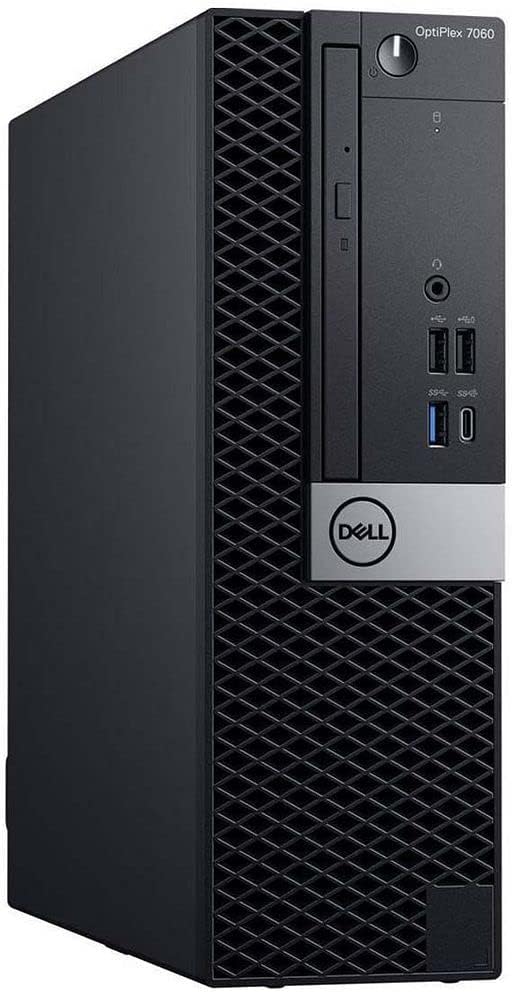
This Dell OptiPlex 7060 is a complete desktop computer powered by an Intel 8th Gen i7 processor. With a 4.0 rating it serves as a reliable workstation for business and home use.
We may earn a commission when you buy through this link, at no additional cost to you.
It includes 32GB of DDR4 RAM and a fast 512GB NVMe SSD for storage. The small form factor case allows for future expansion and fits neatly on any desk.
While the 8th Gen i7 is older, it enables efficient multitasking for standard office tasks. This is a good pick for users needing a ready to use system without building hardware.
Best for business users seeking a prebuilt PC, it offers a complete solution. It comes with Windows 11 Pro and essential ports for dual monitor connections and peripherals.
This PC comes with RAM SSD and OS pre installed for immediate use.
Suitable for both home and business computing it is a trusted business desktop.
We may earn a commission when you buy through this link, at no additional cost to you.
Selecting the ideal cpus for workstations requires understanding your workload and future needs. This section breaks down key factors to help you make an informed choice.
Core count determines how many tasks your CPU can handle simultaneously. For heavy rendering or 3D modeling, aim for at least 16 cores and 32 threads to ensure smooth multitasking and faster render times.
More threads mean better performance in multithreaded software. If you work with simulations or video encoding, prioritize models with higher thread counts to avoid bottlenecks.
Clock speed affects how fast your CPU processes instructions. While core count matters for parallel tasks, high boost frequencies are critical for applications that rely on single core performance.
Look for boost speeds above 4.5 GHz for optimal responsiveness in CAD software or gaming. This ensures quick execution of commands and reduces lag during complex operations.
Cache acts as high speed memory for the CPU to store frequently used data. Larger L3 cache improves performance in tasks requiring rapid access to data sets like rendering or compiling code.
Aim for CPUs with at least 32MB of L3 cache. Higher cache sizes reduce latency and allow the processor to handle more data locally without waiting for RAM.
Workstation CPUs should support fast and ample memory. DDR5 is becoming standard for new builds but DDR4 still offers value. Ensure your motherboard supports the memory speed you need.
Higher memory bandwidth helps in data processing and virtualization. If your workload involves large datasets, choose a CPU with support for 3200 MHz or faster memory.
PCIe lanes connect your CPU to storage and graphics cards. Workstations often need many GPUs or NVMe drives for speed. CPUs with more PCIe lanes prevent bottlenecks when adding hardware.
Professional Threadripper models often have 64 or 128 lanes. This allows for expansive storage arrays and multiple GPUs without sacrificing bandwidth for other components.
Thermal Design Power (TDP) indicates how much heat a CPU generates. High performance CPUs often have 200W+ TDPs requiring robust cooling solutions like liquid coolers or large air heatsinks.
If you prioritize silence or compact builds, check TDP carefully. A lower TDP might save on cooling costs but could limit overclocking headroom for extreme workloads.
Ensure your chosen CPU fits your motherboard socket. AM5 and LGA1851 are current standards. Check if your existing board needs a BIOS update to support newer generations of CPUs.
Platform longevity is key for future upgrades. Selecting a current socket ensures you can upgrade to newer CPUs without replacing the entire motherboard and memory setup.
Balance your budget against performance needs. Entry level workstation CPUs offer good value for light tasks while high end models justify costs with raw speed for professionals.
Read reviews and compare specs to find the sweet spot. Sometimes a previous gen flagship offers better value than a new budget chip for specific workstation workflows.
When installing your CPU, ensure the motherboard is placed on an anti static surface. Align the processor pins with the socket and gently press it down to avoid bending pins. Always apply thermal paste correctly for optimal heat transfer.
Keep your workstation cool by cleaning dust from fans and heatsinks regularly. High performance CPUs generate significant heat, so ensure proper airflow in your case. Consider adding extra fans if you notice thermal throttling.
Update your BIOS and drivers to ensure stable performance. Manufacturers release updates that improve compatibility and fix bugs. Check the motherboard manufacturer's site for the latest firmware before installing your new processor.
For 3D rendering, CPUs with high core counts like the AMD Ryzen Threadripper PRO 3975WX are ideal. Their 64 threads handle multi-threaded rendering software efficiently. High cache sizes also help with complex scenes.
Yes most workstation CPUs do not come with coolers. Their high TDPs generate heat that requires robust air or liquid cooling. Proper cooling ensures longevity and prevents throttling during long tasks.
PRO processors often include enterprise features like remote manageability and data security. They are designed for stability in business environments. Non-PRO CPUs are great for general use but lack these specific tools.
Both AMD and Intel offer top performers. AMD Threadripper provides more PCIe lanes and core counts. Intel Core Ultra offers efficiency and high boost clocks. Choose based on your specific software needs.
For video editing, 16 cores and 32 threads are a sweet spot. More cores help with rendering times and multitasking. If you edit 8K footage, consider CPUs with even higher core counts for best results.
Yes but they are optimized for multi-threaded workloads. High clock speeds in consumer CPUs might offer better gaming FPS. However, workstation CPUs still handle gaming well if paired with a strong GPU.
DDR5 5600 or faster is recommended for modern workstations. High bandwidth helps in data heavy tasks. Check your CPU spec sheet for supported speeds to ensure optimal performance.
It is viable for light tasks but lacks modern efficiency. For heavy workloads, newer generations are better. Older chips like i7-8700 work for basic office use but may bottleneck in demanding apps.
The AMD Ryzen Threadripper PRO 5955WX leads as the best overall for professionals. It balances core count and stability for heavy workloads.
Prioritize core count and cache size based on your specific apps. If you need raw speed, look at Intel Core Ultra models for boost frequency.
Always check current prices before buying as values fluctuate. Ensure your motherboard supports the CPU to avoid compatibility issues.