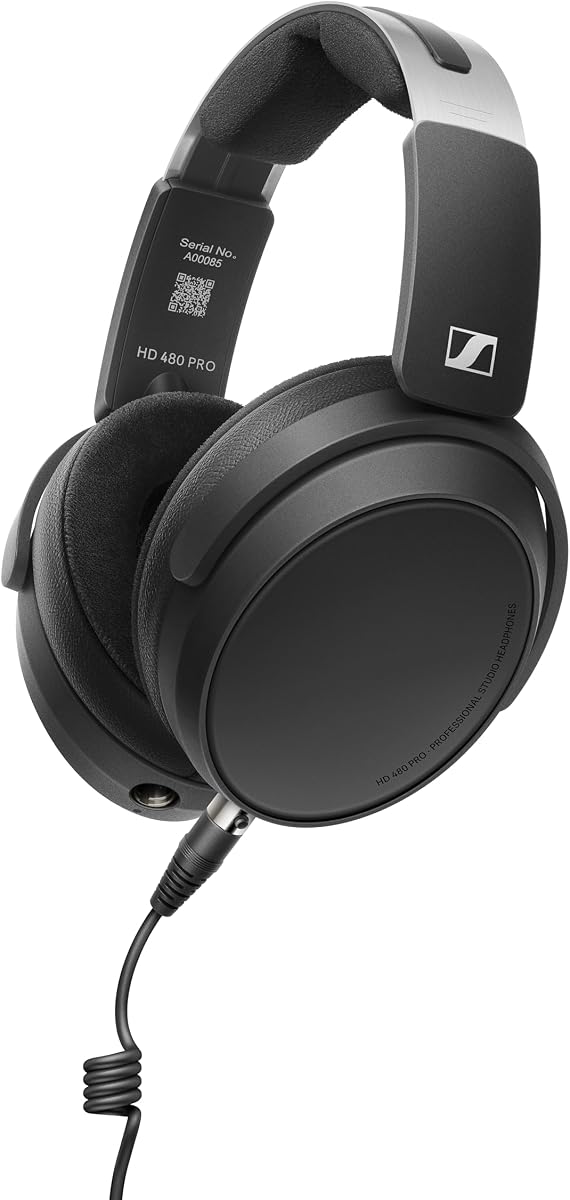
HD 480 PRO
4.8Editor score
Precision German Engineering
Advanced Noise Control
All-Day Comfort Fit
This guide compares the top closed back headphones for tracking to help you find the best isolation and sound quality for your recording setup.
Finding the right closed back headphones for tracking is essential for any serious recording engineer or home studio enthusiast. These headphones provide the isolation needed to prevent sound leakage into your microphone, ensuring clean takes every time.
We have evaluated ten professional models based on sound quality, comfort, durability, and price to help you make an informed decision. Each product offers unique features tailored to different recording environments and budget constraints.
Our detailed reviews highlight the strengths and weaknesses of each option so you can choose the best fit for your workflow. Please note that prices may fluctuate over time, so check current listings before purchasing.
4.8Editor score

4.6Editor score

4.6Editor score
The following table provides a side-by-side comparison of all ten models to help you quickly identify the key specifications and features that matter most for your tracking needs.


The beyerdynamic DT 770 Pro stands out as a classic choice for tracking in any studio environment. With a high rating of 4.6 stars, it consistently delivers reliable performance for vocalists and engineers who need isolation.
We may earn a commission when you buy through this link, at no additional cost to you.
Its closed-back design ensures that your microphone captures only your voice without bleed from the headphones. The 80-ohm impedance means it pairs well with audio interfaces and amps, offering enough volume for monitoring without distortion.
While the cable is fixed at 3 meters, which might be cumbersome for some setups, the durability of the spring-steel headband compensates for this. The replaceable ear pads also extend the lifespan of the product significantly.
If you are looking for a long-term investment that balances comfort and sound quality, the DT 770 Pro is an ideal candidate. It remains a staple in professional studios for good reason.
The closed-back structure prevents sound leakage into your mic, which is critical for clean vocal tracks.
Grey velour pads and a sturdy headband allow for hours of comfortable monitoring without fatigue.
We may earn a commission when you buy through this link, at no additional cost to you.
The Sony MDR7506 is widely recognized as a professional standard in audio production. Boasting a 4.7 rating, it offers powerful and detailed sound that engineers trust for critical listening tasks.
We may earn a commission when you buy through this link, at no additional cost to you.
Its large diaphragm drivers provide a clear picture of the mix, while the closed ear design reduces external noise effectively. This makes it suitable for tracking in less than ideal acoustic environments.
The cord is not detachable, which can be a limitation if the cable gets damaged. However, the foldable design makes it highly portable for engineers who move between locations frequently.
For those seeking a proven workhorse that delivers consistent performance, the Sony MDR7506 is a strong contender. It has been a favorite in studios worldwide for decades.
The neodymium magnets ensure powerful sound that helps you hear every detail in your recording.
Folding up for storage allows for easy transport in the included soft case during mobile sessions.
We may earn a commission when you buy through this link, at no additional cost to you.
The Sennheiser HD 280 Pro is designed for environments where isolation is the top priority. With a 4.5 rating, it delivers up to 32 dB of attenuation, blocking out external noise effectively.
We may earn a commission when you buy through this link, at no additional cost to you.
Its ergonomic design ensures it remains lightweight and comfortable even during extended recording sessions. The warm and natural sound reproduction helps musicians hear themselves clearly without coloration.
The coiled cord is a trade-off for flexibility, but it ensures the cable does not snag easily. Additionally, the ability to replace earpads and cords ensures the headphones last for years.
If you work in a loud studio or need to isolate sound aggressively, this model is an excellent choice. It balances practical design with functional audio performance.
Up to 32 dB of attenuation keeps external distractions away from your focus during tracking.
Easily replaceable parts like earpads and cords ensure the unit has a long usable life.
We may earn a commission when you buy through this link, at no additional cost to you.
The Audio-Technica ATH-M20x offers an accessible entry point into professional studio monitoring. With a 4.6 rating, it provides excellent sound isolation and a solid build for beginners and budget-conscious producers.
We may earn a commission when you buy through this link, at no additional cost to you.
Its 40mm drivers with rare earth magnets deliver a strong low-frequency response that is essential for beat making and tracking. The circumaural design contours around the ears to keep noise out effectively.
While it lacks the high-end detail of more expensive models, it performs admirably for general tracking tasks. The single-side cable exit adds convenience for monitoring on the fly.
For anyone starting a home studio or needing a reliable backup pair, this model is a top pick. It proves you do not need to spend a fortune to get professional results.
Tuned for enhanced low-frequency performance, it helps you hear bass elements clearly in mixes.
Advanced engineering at a lower price point makes professional monitoring accessible to more users.
We may earn a commission when you buy through this link, at no additional cost to you.
The Audio-Technica ATH-M50X is critically acclaimed by audio engineers for its sonic performance. Rated at 4.7 stars, it delivers exceptional clarity and deep bass response across an extended frequency range.
We may earn a commission when you buy through this link, at no additional cost to you.
Its proprietary 45mm drivers ensure that you hear every nuance in your recording. The 90-degree swiveling earcups make one-ear monitoring easy, which is vital when you need to hear the room.
The detachable cable is a significant advantage over other models, allowing for easy replacement if damage occurs. Professional-grade materials ensure durability and comfort over many hours of use.
If you need a versatile headphone for mixing and tracking that stands up to professional demands, this is a great choice. It combines sound quality with practical features effectively.
Critically acclaimed by engineers, it serves well for both tracking and final mixing stages.
Swiveling earcups allow for one-ear monitoring without removing the headphones from your head.
We may earn a commission when you buy through this link, at no additional cost to you.
The beyerdynamic DT 270 Pro is an excellent option for those entering the world of home recording. With a 4.4 rating, it offers studio-quality sound at a starter price that is hard to beat.
We may earn a commission when you buy through this link, at no additional cost to you.
It features a closed-back design that keeps the click track out of your mic during recording. The lightweight fit ensures that you can wear them for hours without discomfort or fatigue.
While the build is simpler than the premium DT 770, it still maintains the quality associated with beyerdynamic. The 3m cable ensures you have enough reach to connect to your interface comfortably.
For podcasters and home recordists needing reliable monitoring without breaking the bank, this is a solid investment. It provides the essential features needed for professional results.
Bringing studio sound to a lower price point makes professional monitoring accessible to beginners.
Closed-back isolation ensures your vocal tracks remain clean by preventing audio bleed into mics.
We may earn a commission when you buy through this link, at no additional cost to you.
The HD 480 PRO represents the pinnacle of tracking headphone technology from Sennheiser. With a high 4.8 rating, it delivers full-spectrum sound with exceptional clarity for professional production tasks.
We may earn a commission when you buy through this link, at no additional cost to you.
Its closed-back noise control includes a Vibration Attenuation System to reduce distortion and leakage. This ensures clean detailed audio that is crucial when monitoring sensitive recordings like vocals or acoustic instruments.
The precision-fit design eliminates pressure points and even features grooved pads for eyeglass comfort. Hand-assembled in Romania, the build quality is exceptional and designed to last.
If budget is not your primary concern and you want the best possible sound quality, this model is unmatched. It combines luxury materials with functional engineering for serious professionals.
A Vibration Attenuation System reduces distortion and leakage for clean detailed audio during tracks.
Precision-fit design and angled earcups eliminate pressure points for long working sessions.
We may earn a commission when you buy through this link, at no additional cost to you.
The FIFINE HD8 is a strong contender for those seeking a balance of cost and performance. With a 4.5 rating, it features large 50mm unit drivers that deliver dynamic bass and accurate treble.
We may earn a commission when you buy through this link, at no additional cost to you.
Its lightweight 265g design reduces the feeling of weight during long sessions. This makes it comfortable for creators who work for hours on end without needing frequent breaks.
The inclusion of two detachable coiled cables ensures compatibility with a wide range of devices. This versatility is rare at this price point and adds significant value to the package.
For hobbyists or podcasters on a tight budget, this model provides excellent value. It captures the necessary isolation and sound quality for decent tracking without overspending.
Large 50mm drivers deliver dynamic bass and accurate treble for a well-rounded audio experience.
Two 9.8ft detachable cables ensure wide-ranged connection with various mixers and interfaces.
We may earn a commission when you buy through this link, at no additional cost to you.
The AKG K72 is designed for both studio work and portable device use. With a 4.4 rating, its high-sensitivity drivers ensure that it can produce clear sound even from mobile sources.
We may earn a commission when you buy through this link, at no additional cost to you.
The closed-back circumaural design provides a secure fit that isolates sound well. This is useful for tracking in noisy environments where external noise might distract you.
The 1/4-inch steel screw-on adapter adds a layer of durability to the connection point. While the cable is not detachable, the robust construction helps it withstand daily handling.
If you need a headphone that transitions easily between home studio and on-the-go monitoring, this is a great option. It balances portability with professional audio requirements.
High output drivers mean these headphones work well with lower power sources like phones or tablets.
Great for portable devices, allowing you to maintain audio quality anywhere you go.
We may earn a commission when you buy through this link, at no additional cost to you.
The Sennheiser HD 569 brings audiophile standards to a closed-back design. With a 4.5 rating, it uses proprietary 38mm transducers to deliver warm and accurate sound reproduction.
We may earn a commission when you buy through this link, at no additional cost to you.
Two cables are included: one long detachable cable and one short one with an in-line remote. This flexibility makes it suitable for both desk setups and mobile listening sessions.
The soft, replaceable ear pads enhance comfort during extended listening sessions. While not primarily designed as a monitoring tool, its clarity makes it a good option for mixing.
For those who value sound fidelity and comfort alongside professional tracking capabilities, this model is worth considering. It offers a premium feel at a mid-range price.
Proprietary transducers deliver warm natural sound reproduction ideal for critical listening.
Two included cables with different lengths and connectors allow for versatile device connection.
We may earn a commission when you buy through this link, at no additional cost to you.
Selecting the right headphones for tracking requires considering several technical and practical factors to ensure optimal performance in your studio.
Isolation is paramount when tracking vocals or acoustic instruments. Closed-back headphones prevent sound from leaking out into your microphone, which can cause phase issues and unwanted bleed. Look for models that advertise high attenuation values or passive shielding capabilities to ensure your recordings remain clean and focused on the source.
Always prioritize isolation when recording in untreated rooms or loud environments to maintain recording integrity.
Impedance determines how much power the headphones require to reach adequate volume levels. High impedance headphones like the 80-ohm models need an audio interface or amp to perform well. Low impedance models are more portable but may suffer from noise if the source is weak.
Match the impedance of your headphones with your audio source to ensure sufficient volume and clarity.
Comfort is critical for long recording sessions. Heavy headphones can cause fatigue, while tight ones can create pain. Look for models with soft ear pads, adjustable headbands, and a design that does not clamp excessively. Over-ear designs are generally more comfortable than on-ear for prolonged use.
Choose a fit that ensures you can work for hours without discomfort or distraction.
Studio headphones undergo significant wear and tear. Check if the ear pads and cables are replaceable. Models with replaceable parts extend the lifespan of your investment significantly. Rugged construction like steel headbands or high-quality plastics also contribute to longevity.
Opt for units with serviceable parts to avoid replacing the whole unit when one component fails.
Cable length matters for your studio layout. Long cables allow you to move freely, while short ones reduce clutter. Detachable cables are a huge plus because they are easy to replace if damaged. Coiled cables save space but can limit movement compared to straight ones.
Select a cable type and length that fits your recording space and workflow needs efficiently.
A neutral or extended frequency response is ideal for tracking to ensure you hear an accurate representation of the sound. Bass-heavy models might mask details in the mids and highs. Look for headphones that offer a flat or balanced response for professional mixing and monitoring.
A balanced sound signature helps you make better decisions during the recording process.
Budget constraints often dictate choices. While premium models offer better materials and sound, budget options can still provide excellent isolation and reliability. Determine what features you truly need versus what is nice to have before spending extra.
Balance your budget with the features that are essential for your specific recording tasks.
Ensure the headphones have the right jack size for your interface. Most studio interfaces use 1/4-inch jacks, so an adapter might be needed if the headphones come with a 3.5mm plug. Compatibility with various devices adds versatility to your gear.
Check connectivity standards to avoid issues with your current interface or mobile devices.
When using headphones for tracking, ensure the ear pads are sealed properly around your ears to maximize isolation. Adjust the headband so the weight is distributed evenly to prevent discomfort during long sessions.
Always unplug the cable gently by holding the plug rather than pulling on the wire to prevent damage. Store them in a protective case when not in use to avoid dust accumulation and physical damage.
Regularly clean the ear pads and headband with a dry cloth to remove oil and dust. If the pads are removable, wash them occasionally to maintain hygiene and comfort over time.
Closed back headphones prevent sound from leaking into the microphone, ensuring clean recordings without unwanted bleed. Open back headphones allow sound to escape which can cause phase issues during vocal or acoustic recording sessions.
High impedance models often need an amplifier or audio interface to reach optimal volume levels. If your interface has enough gain, you may not need a separate amp but check specifications first.
Yes, many closed back headphones serve well for both tracking and mixing. Look for a neutral frequency response to ensure you are hearing accurate sound representation for mix decisions.
Consider your distance to the audio source and the layout of your studio. Straight cables are standard for fixed setups while coiled cables save space for portable or mobile recording environments.
Detachable cables offer a significant advantage because they can be replaced easily if damaged. This extends the lifespan of the headphones and reduces maintenance costs over time.
Velour and memory foam are popular choices. Velour breathes better and is comfortable for long periods while memory foam offers superior isolation and softness depending on personal preference.
We have reviewed ten top models ranging from budget-friendly options to premium choices designed for professional use. Each offers distinct advantages in sound quality comfort and isolation to suit different recording needs.
Prioritize isolation and comfort when making your decision since these factors directly impact your ability to focus during recording. Ensure the impedance matches your interface to avoid performance issues.
Prices and availability change frequently so always check current listings before buying. Your ideal pair will depend on your specific workflow and budget constraints.