
ETIKEZ Bluetooth Thermal Printer
4.4Editor score
USB and Bluetooth connectivity
203 DPI resolution
Compatible with Linux systems
Finding the right label printer for Linux can be challenging due to limited driver support. This guide highlights ten reliable thermal and desktop printers that offer stable connectivity and robust performance for open systems.
We evaluated each device based on Linux compatibility, print speed, label width support, and ease of setup. Our comparison includes both USB and Bluetooth models to suit different workflow needs and technical preferences.
Each pick shows key specs, pros, cons, and real-world usage scenarios to help you choose confidently. Remember that prices and availability may change over time, so verify details before purchasing.
4.4Editor score

4.0Editor score

4.4Editor score
As an Amazon Associate we earn from qualifying purchases.
This side-by-side comparison covers all ten selected label printers focusing on their Linux support, print capabilities, connectivity options, and overall value for home or business environments.
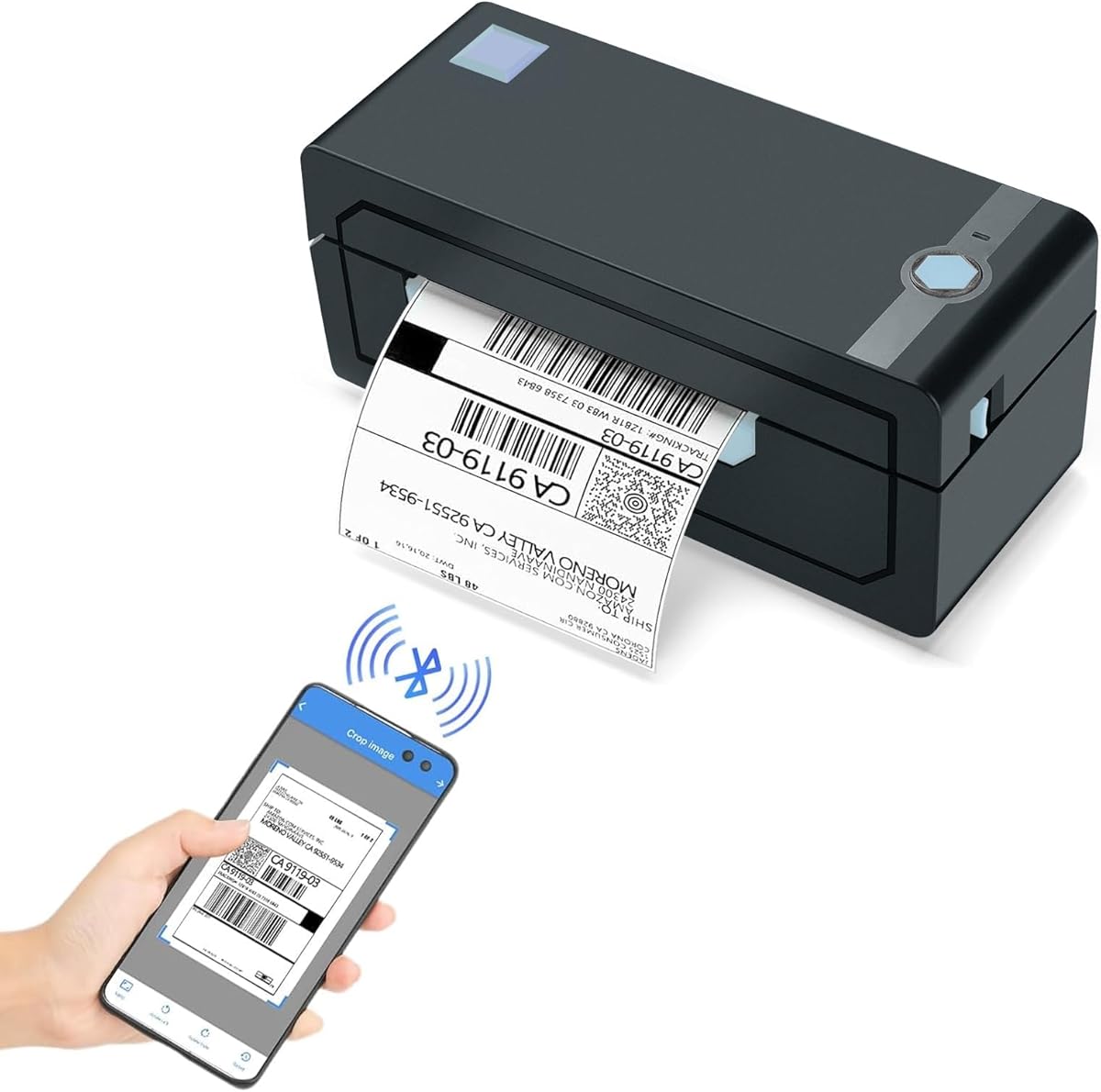
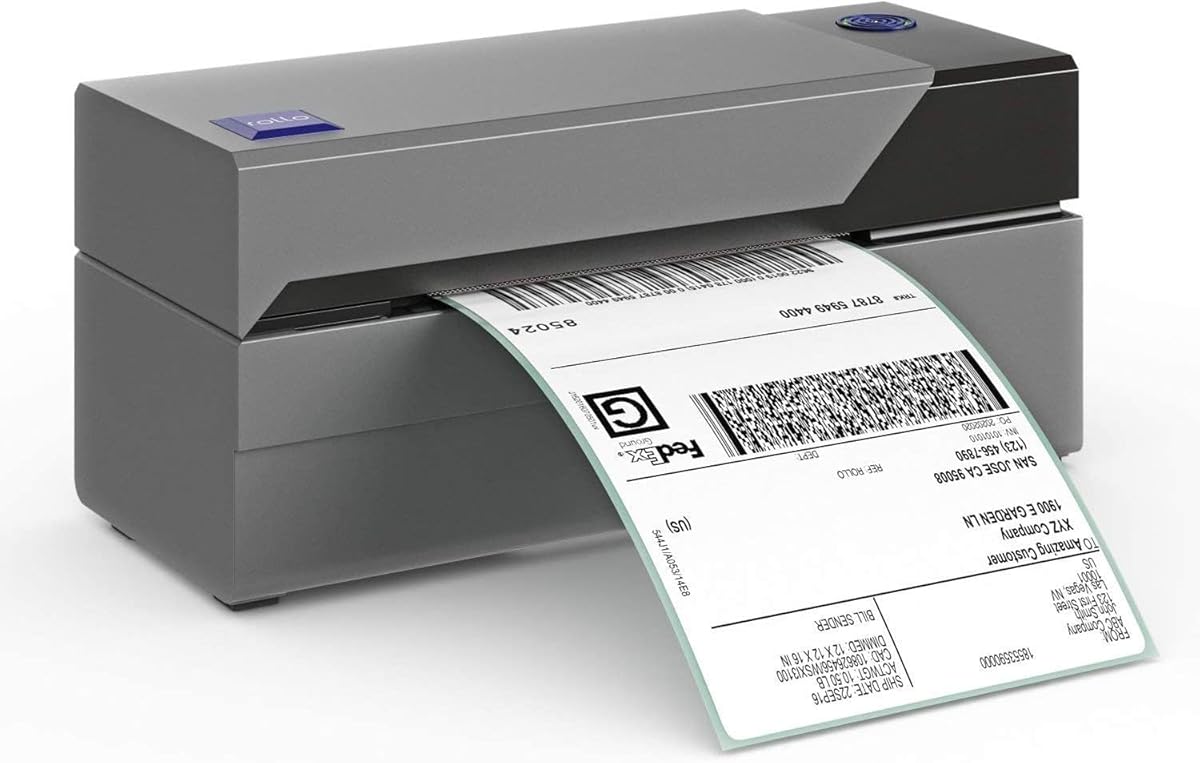
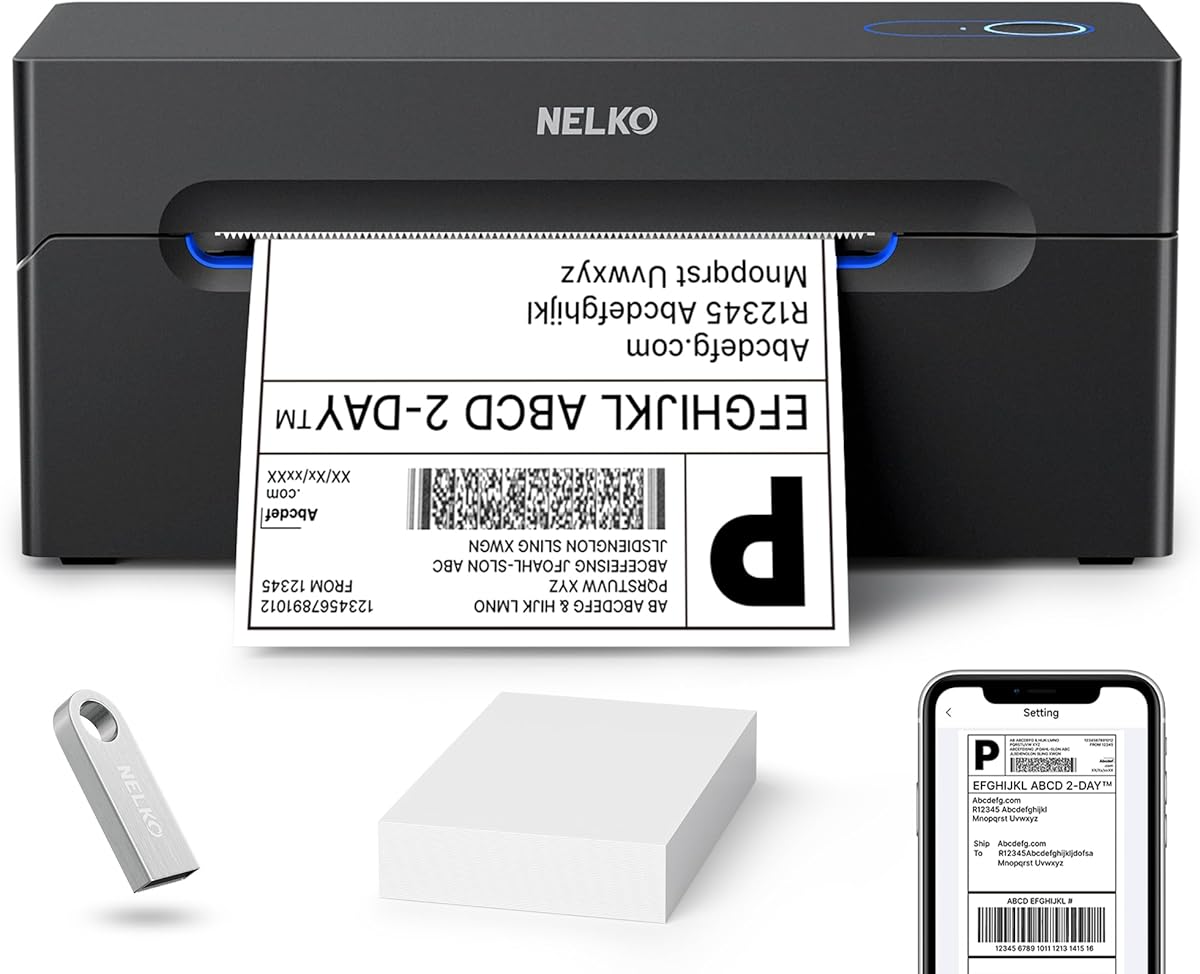


The iDPRT SP310 stands out as the top choice for Linux users seeking a reliable thermal label printer. With a 4.0 rating, it delivers consistent performance and open system flexibility for home offices and small businesses.
We may earn a commission when you buy through this link, at no additional cost to you.
Its dedicated drivers for Linux ensure seamless integration without proprietary constraints. The 4 inches per second speed handles heavy print jobs efficiently while maintaining crisp 203 DPI quality for barcodes and shipping labels.
While the setup requires driver installation, the process is straightforward with clear documentation. Users should note that mobile functionality is limited compared to Bluetooth models, but desktop performance remains robust.
Buy this if you prioritize stable USB connectivity and Linux compatibility for daily label tasks. It offers the best balance of speed, quality, and open system support in this lineup.
Dedicated drivers eliminate microchip roll limitations and reduce operating costs for open system users.
High-speed output ensures zero bottlenecking during intensive inventory or shipping label printing sessions.
We may earn a commission when you buy through this link, at no additional cost to you.
The ETIKEZ Bluetooth Thermal Printer offers an affordable entry point for Linux users needing basic label printing capabilities. Its 4.4 rating reflects reliable performance and user-friendly setup for budget-conscious buyers.
We may earn a commission when you buy through this link, at no additional cost to you.
USB connectivity ensures stable connections on Linux systems without wireless complications. The compact design fits easily into small workspaces while supporting 4×6 label sizes for shipping and barcode tasks.
Bluetooth functionality requires the Labelnize app, which may limit direct desktop printing options. Users should expect straightforward operation but fewer advanced design features compared to premium models.
Choose this printer if you need a cost-effective solution for occasional label tasks on Linux. It balances price and functionality well for home offices and light business use.
USB cables provide stable connections on Linux while Bluetooth offers mobile flexibility through dedicated apps.
At a low price point, it delivers essential thermal printing capabilities without sacrificing print quality or speed.
We may earn a commission when you buy through this link, at no additional cost to you.
The Brother QL-570 Professional Label Printer delivers premium quality with 300 x 600 DPI resolution and fast 68 labels per minute speed. It suits professionals needing sharp text and detailed imagery on Linux systems.
We may earn a commission when you buy through this link, at no additional cost to you.
Included P-Touch Label Creation software enables customized label designs with templates and barcodes. The professional build ensures longevity and consistent performance for demanding business environments.
While the investment is higher than budget models, the print quality and speed justify the cost. Users should allocate time for software configuration to maximize the device's potential on Linux.
Opt for this printer if you require professional-grade label output and high-volume capabilities. It remains a top-tier choice for businesses prioritizing precision and reliability on open systems.
300 x 600 DPI resolution ensures sharp text and detailed imagery for professional business applications.
Included P-Touch software provides templates and customization tools for creating professional labels easily.
We may earn a commission when you buy through this link, at no additional cost to you.
The JADENS Bluetooth Thermal Shipping Label Printer offers wireless convenience with USB fallback options. It features 203 DPI high-quality output and supports various shipping platforms for versatile label creation.
We may earn a commission when you buy through this link, at no additional cost to you.
USB connectivity provides reliable Linux support through standard drivers ensuring stable printing without wireless issues. The clean thermal technology eliminates ink mess while supporting fanfold and roll labels for different tasks.
Linux users should verify driver compatibility as the focus leans toward Windows and Mac systems. The one-minute setup simplifies initial use though advanced features may require third-party software integration.
This model suits users needing wireless flexibility alongside stable USB options. It balances ease of use with broad platform support for shipping and warehouse label tasks.
Japanese high-tech thermal head delivers clean 203 DPI output without ink or toner for cost savings.
Supports major shipping platforms like ShipStation and Amazon for streamlined label printing workflows.
We may earn a commission when you buy through this link, at no additional cost to you.
The Rollo USB Shipping Label Printer delivers commercial-grade speed at 150mm/s with 4.6 rating for consistent performance. It supports major shipping platforms and includes a complimentary app for streamlined label creation.
We may earn a commission when you buy through this link, at no additional cost to you.
USB connectivity ensures stable connections on Linux systems with proper driver downloads. The 203 DPI resolution produces clear visible labels that scan easily for warehouse and shipping applications.
The included Rollo Ship app saves costs by providing exclusive shipping rates without third-party platforms. Users should account for initial setup time to configure drivers and software on Linux machines.
This printer is ideal for high-volume shipping needs requiring speed and platform flexibility. It combines commercial performance with cost-saving features for growing online businesses and warehouses.
Advanced thermal technology prints one 4×6 label per second with clear output reducing ink toner costs.
Complimentary shipping app connects major ecommerce platforms for exclusive rates and simplified workflows.
We may earn a commission when you buy through this link, at no additional cost to you.
The Nelko Bluetooth Thermal Shipping Label Printer offers fast 150 mm/s printing with flexible USB and Bluetooth options. Its compact design fits small spaces while supporting multiple platforms including Chrome OS for versatility.
We may earn a commission when you buy through this link, at no additional cost to you.
USB connectivity provides reliable Linux support with standard drivers ensuring stable label output. The thermal technology delivers clear 203 DPI prints without ink or toner for economical daily use.
Bluetooth pairing requires the Nelko app which may add complexity for desktop workflows. Mac users should note USB-only support for direct printing rather than wireless connections.
Choose this printer for balanced speed and flexibility in home or small business settings. It delivers efficient performance with space-saving design for various label printing needs.
150 mm/s speed produces up to 72 sheets of 4×6 labels per minute for high efficiency.
Both USB and Bluetooth options accommodate different device setups while maintaining stable connections.
We may earn a commission when you buy through this link, at no additional cost to you.
The Brother P-touch CUBE Plus Bluetooth Label Maker offers portable printing for labels up to 24mm wide with 4.5 rating. Bluetooth connectivity allows design and print from mobile devices using flexible software options.
We may earn a commission when you buy through this link, at no additional cost to you.
Three Brother software applications provide creative templates with fonts and symbols for customized labels. The included starter tapes and Li-ion battery enable immediate use without additional setup for home offices.
While ideal for crafting and organization, the one-inch width limits shipping or large barcode applications. Tape costs are higher than thermal rolls but offer aesthetic variety with glitter and matte finishes.
This label maker suits users needing portable creative labeling with minimal setup. It excels for personal projects and office organization rather than commercial shipping tasks.
Choose from three Brother applications offering pre-designed templates creative fonts and customizable design tools.
Use TZe tapes up to one inch wide with colors patterns and finishes for professional labels.
We may earn a commission when you buy through this link, at no additional cost to you.
The Brother QL-700 delivers ultra-fast printing at up to 93 labels per minute with 4.4 rating for consistent performance. Drop-in rolls and auto cutter simplify workflow while supporting continuous lengths for banners.
We may earn a commission when you buy through this link, at no additional cost to you.
Monochrome output provides cost-effective paper labels with easy-peel rounded corners. The system handles file folders envelopes and signs making it versatile for office and shipping applications.
Initial investment is higher but speed and convenience justify the cost for busy environments. Linux users should verify driver support before purchase to ensure seamless integration with open systems.
This printer suits high-volume users prioritizing speed and ease of use. It offers professional performance with flexible tape options for diverse labeling needs.
Ultra-fast printing reaches 93 labels per minute reducing wait times for large batch label jobs.
Handles continuous lengths up to three feet for banners signs alongside standard paper labels.
We may earn a commission when you buy through this link, at no additional cost to you.
The SUPVAN T50M Pro offers affordable label printing with 3/4 to 2 inch width and 4.5 rating. Free app editing allows images icons and 30+ fonts for home organization and small business tasks.
We may earn a commission when you buy through this link, at no additional cost to you.
Auto label size recognition simplifies setup while Bluetooth connectivity enables mobile design on Android or iOS. No registration or ink costs keep ongoing expenses minimal for casual users.
The compact design fits easily into home offices but may lack enterprise-level features. Linux compatibility focuses on desktop use where app-based editing complements label creation workflows.
Choose this label maker for personal organization and small business labeling without extra fees. It balances functionality and cost for versatile home and office projects.
Free app includes 30+ fonts 50+ frames and 660+ icons for customized labels without fees.
Auto label size detection and no registration setup streamline the printing process for all users.
We may earn a commission when you buy through this link, at no additional cost to you.
The Brother P-Touch PT-D610BT offers professional connectivity with Bluetooth and USB options for 4.5 rating. Built-in memory stores up to 90 labels while the QWERTY keyboard streamlines label creation workflows.
We may earn a commission when you buy through this link, at no additional cost to you.
Large color LCD preview reduces waste by allowing accuracy checks before printing. Access to 175 pre-loaded business templates supports asset management and inventory tracking needs efficiently.
Linux users should verify P-Touch Editor software compatibility for desktop label design. The investment suits businesses needing multiple user access and professional output standards.
This label maker excels for business environments prioritizing connectivity and efficiency. It combines hardware and software features for scalable labeling solutions.
Built-in memory stores 90 labels while QWERTY keyboard speeds up custom label creation.
Large LCD allows previews to reduce waste and 175 templates support business organization tasks.
We may earn a commission when you buy through this link, at no additional cost to you.
Selecting the right label printer for Linux requires considering several key factors to ensure compatibility and performance meet your needs.
Ensure the printer offers native drivers or open source support for your specific Linux distribution. Some thermal printers require proprietary microchips that may restrict use on open systems.
Check product details for explicit Linux mentions or community-supported drivers before purchasing.
USB connections provide stable and straightforward integration with Linux without wireless complications. Bluetooth adds flexibility but may require specific apps or drivers that limit desktop functionality.
Prioritize USB for reliability and reserve Bluetooth for mobile workflows if needed.
Higher print speeds like 150mm/s or 4 inches per second reduce wait times for large label batches. Consider your daily volume to decide between standard or commercial-grade throughput.
Match speed to workload requirements for efficient operations without unnecessary cost.
Standard shipping labels require 4×6 inch support while smaller labels may suffice for file folders or names. Verify the printer supports your target width range before purchasing.
Choose models with adjustable label widths for versatility in different tasks.
203 DPI is standard for clear text and barcodes while 300 DPI offers sharper detail for professional needs. Consider your printing tasks to determine the necessary resolution level.
Higher DPI improves readability and scanning success rates for barcodes.
Thermal printers eliminate ink and toner costs but consider label roll prices and proprietary consumables. Open system models reduce costs by allowing third-party labels without microchip restrictions.
Calculate long-term label costs alongside initial printer investment for total value.
Desktop label software enhances design flexibility while mobile apps enable on-the-go printing. Verify software supports your Linux system and offers templates for your use case.
Choose models with free software to reduce additional expenses and simplify workflow.
Professional models often offer durable construction and longer warranties for heavy use. Consumer units provide affordability but may lack the same longevity for business environments.
Match build quality to expected workload duration and frequency of use.
Start by downloading and installing the manufacturer's Linux drivers from their official site. Connect the printer via USB and ensure the system detects it before loading labels.
Calibrate the printer by pressing the feed button to identify label size and gaps. Use the provided calibration tool or manual instructions to align print positions accurately.
Maintain the print head by cleaning it gently with a lint-free cloth and recommended solution. Store labels in cool dry conditions to prevent adhesive issues and ensure optimal print quality.
Many thermal label printers offer native or community-supported Linux drivers for stable printing. Check product specifications for explicit Linux mentions before purchase to ensure compatibility.
Standard shipping labels require 4×6 inch support which most dedicated label printers provide. Verify width ranges match your carrier requirements before purchasing.
Download drivers from the manufacturer's website and follow setup instructions for your distribution. Some models require CUPS or USB device configuration for full functionality.
USB provides more stable and straightforward integration for Linux systems compared to Bluetooth. Bluetooth requires specific apps which may limit desktop label printing options.
Some printers use proprietary microchips restricting third-party labels while open models allow them. Choose unlocked systems to reduce ongoing label costs for businesses.
203 DPI provides sufficient clarity for most barcodes and shipping labels. Higher DPI improves detail for small text or intricate designs.
Clean the print head every few thousand prints or when quality degrades. Regular maintenance extends printer life and ensures consistent label output.
Direct thermal labels fade over time in heat and sunlight. Use thermal transfer printing for durable outdoor labels if needed.
Our top picks highlight the iDPRT SP310 ETIKEZ Bluetooth Thermal Printer and Brother QL-570 for their Linux compatibility performance and value. Each model offers distinct strengths for different user needs.
Prioritize connectivity stability label width support and total cost of ownership when selecting a printer. Native Linux support ensures smooth operation without additional troubleshooting.
Verify current prices and availability as they fluctuate regularly. Check product pages for latest Linux driver updates before finalizing your purchase decision.