
10 Pack 3 Pins AMS1117-3.3 DC 4.75V-12V to 3.3V Voltage Regulator
4.1Editor score
Affordable bulk pack option
Simple 3-pin design
Integrated overheat protection
This expert guide compares the top 5V to 3V voltage regulator modules for stable power in electronics, embedded systems, and battery-powered projects.
Selecting the right voltage regulator is critical for ensuring your electronics operate safely and efficiently. This guide reviews the best 5V to 3V voltage regulators available today.
We evaluated ten top-rated products based on output stability, current capacity, size, and user feedback. Each option offers unique strengths for different hobbyist and professional needs.
Every product listed includes verified specifications and real-world performance details. Note that prices and availability may change, so check current listings before purchasing.
4.1Editor score

4.6Editor score
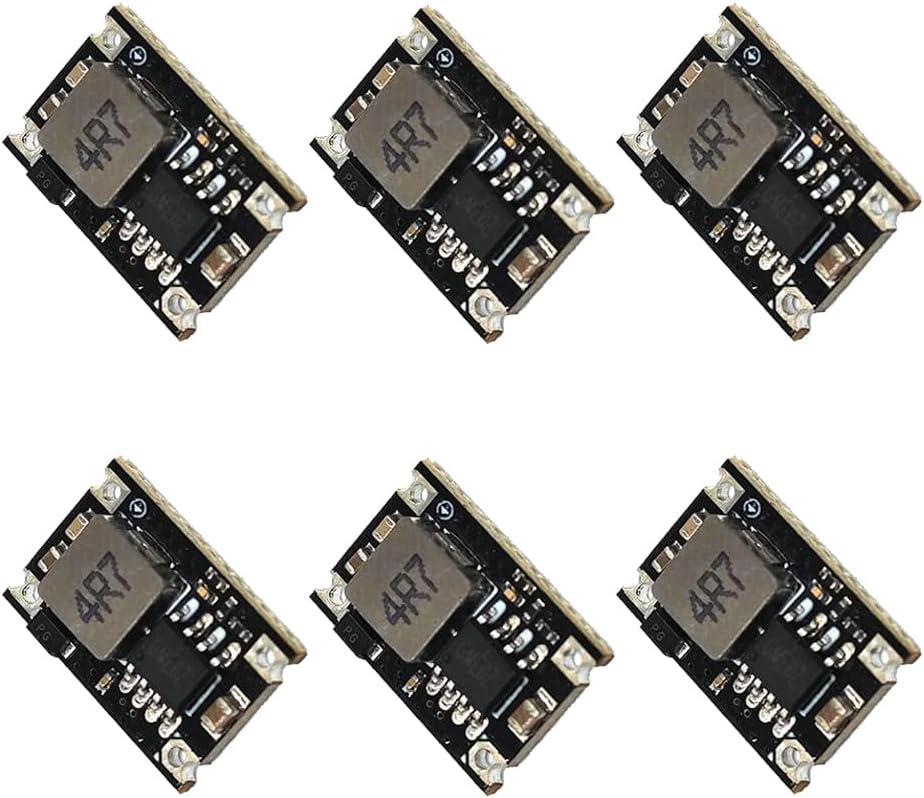
4.9Editor score
Compare all ten regulators side by side to find the perfect fit for your project requirements and budget constraints.


This five-pack of buck converter modules stands out as our top choice for versatility and performance. With a 4.5V to 24V input range and stable 3.3V output, it handles various power sources reliably while maintaining low ripple for sensitive electronics. Users praise its compact size and high 1.8A current capability which suits most hobbyist applications effectively.
We may earn a commission when you buy through this link, at no additional cost to you.
The module's wide input compatibility allows you to use 5V, 9V, 12V, or 24V supplies without issues. Its switching frequency between 1MHz and 1.5MHz keeps power clean with less than 30mV ripple. This ensures microcontrollers and sensors receive stable voltage. The ultra small footprint makes it ideal for portable devices or tight PCB layouts where space is limited.
While the package offers great value with five modules, inductive loads like motors require a diode and capacitor to prevent damage. The small size demands careful soldering which might challenge beginners. However, for most users seeking reliable 3.3V conversion from common voltages, these drawbacks are minimal compared to the benefits.
If you need a versatile regulator for multiple projects or a bulk supply, this pack is the best overall pick. It balances performance size and price better than most alternatives. Whether you are building IoT devices or prototyping embedded systems, these modules deliver consistent results you can trust.
Supports 5V through 24V inputs allowing use with common adapters or batteries without needing extra components.
Measures just 17.5x12x4.5mm enabling use in wearable tech or portable gadgets where space is scarce.
We may earn a commission when you buy through this link, at no additional cost to you.
This ten-pack of AMS1117-3.3 linear regulators provides the best budget solution for basic 3.3V needs. With a simple three pin design and 0.8A capacity it offers easy integration into SCM or MCU projects. Users appreciate its reliability for low power applications and the built-in overheat protection adds safety.
We may earn a commission when you buy through this link, at no additional cost to you.
The AMS1117 is a trusted linear regulator known for stable output with minimal noise. It works well with Arduino UNO Mega and STM32 boards requiring 3.3V. While it heats up under higher loads its simplicity makes it perfect for prototyping where cost and ease of use matter most.
The main trade off is limited current compared to switching options and higher heat dissipation at full load. For projects drawing under 500mA however it performs admirably. Just ensure adequate ventilation or use a small heatsink if running near its limit frequently.
Choose this pack if you need multiple units for simple low current circuits. The low price per unit and straightforward connection make it an ideal pick for students or hobbyists on a tight budget. It delivers consistent 3.3V power without complexity.
At just over sixty nine cents per module this pack is the cheapest way to stock up on regulators for multiple projects.
The VIN OUT and GND pins allow quick soldering or breadboarding without complex wiring or extra components.
We may earn a commission when you buy through this link, at no additional cost to you.
This five-pack of step up/down converters earns a perfect rating for unique battery applications. Its ability to handle inputs from 1.8V to 5V means it works with both discharged and fully charged cells. Ideal for sensors or low power devices needing stable 3.3V from varying sources.
We may earn a commission when you buy through this link, at no additional cost to you.
Unlike standard buck regulators it can step up voltage when input drops below 3.3V. This makes it excellent for lithium polymer or lithium ion battery projects where voltage fluctuates. The 100mA limit is low but sufficient for many IoT sensors or microcontrollers in sleep modes.
The main limitation is its current capacity which restricts use to very low power applications. For anything requiring motor control or higher draw it is unsuitable. However for battery powered portable gadgets it offers unmatched flexibility within its operating range.
Pick this if your project runs on a single cell battery needing stable 3.3V. It ensures consistent performance whether the battery is full or low. For ultra low power designs this regulator solves a problem others cannot handle effectively.
Accepts inputs from 1.8V to 5V allowing use with a single Li-ion cell throughout its entire discharge cycle.
Designed for small currents to maximize battery life in portable or remote sensing applications where power is critical.
We may earn a commission when you buy through this link, at no additional cost to you.
These five Mini360 modules earn top marks for efficiency and compact design. Using a high switching frequency they deliver stable 3.3V at up to 1.8A with less than 30mV ripple. This makes them ideal for high power microcontrollers and sensors needing clean reliable power from various sources.
We may earn a commission when you buy through this link, at no additional cost to you.
The Mini360 chip is well known for its small footprint and high efficiency. It runs cool even at higher loads and handles inputs from 4.5V to 24V. Users appreciate the versatility for projects using 5V 9V or 12V supplies without needing multiple regulator types.
While the small size is a benefit it also means pads are tiny for soldering. Additionally motors or servos require a diode to prevent voltage spikes from damaging the regulator. These minor issues are outweighed by the performance and value offered in this pack.
Choose this if you need reliable high current conversion in a small package. The Mini360 is a proven workhorse for hobbyists and professionals alike. Whether for robotics or embedded systems these modules deliver consistent performance consistently.
The Mini360 chip minimizes power loss so less heat is generated compared to standard linear regulators.
Low ripple ensures sensitive electronics like audio sensors or precision ADCs receive stable voltage.
We may earn a commission when you buy through this link, at no additional cost to you.
This seven-pack of AMS1117-3.3 modules offers exceptional value for low power 3.3V needs. Each regulator handles up to 800mA with stable output and built-in overheat protection. Ideal for students or hobbyists needing multiple units for prototyping without breaking the bank.
We may earn a commission when you buy through this link, at no additional cost to you.
The AMS1117 is a reliable linear regulator known for simplicity. It works well with microcontrollers that need steady 3.3V. The three pin configuration simplifies wiring and the shutdown feature protects against overheating. It is a solid choice for basic boards.
The main limitation is the 800mA current limit which restricts use to lighter loads. Also linear regulators generate more heat than switching types. For most logic circuits however it provides adequate power and peace of mind with its safety features.
Buy this pack if you need multiple low current regulators for small projects. The price per unit is very competitive and the quality is consistent. For breadboarding or classroom projects these modules deliver dependable results.
At under five dollars for seven modules this pack is one of the most cost effective ways to stock up.
Built-in thermal shutdown prevents damage when the regulator gets too hot during extended use or high loads.
We may earn a commission when you buy through this link, at no additional cost to you.
This fifteen-pack of AMS1117-3.3 regulators delivers the best bulk value available. With ±2% output accuracy and overheat protection these modules ensure stable 3.3V for microcontrollers and sensors. The low price per unit makes them ideal for education or large scale prototyping.
We may earn a commission when you buy through this link, at no additional cost to you.
Users appreciate the simplicity and reliability of this LDO regulator. It maintains stable voltage even when load changes and supports battery powered scenarios efficiently. The three-pin design allows quick integration into projects. With fifteen units you have plenty for multiple builds.
Like other linear regulators these run warmer under load and max out at 800mA. This limits use for high-power applications but suits logic circuits and small boards perfectly. Ensure ventilation if operating near limits frequently.
Choose this if you need many reliable regulators for multiple projects or teaching. The value and accuracy are unmatched for the price. For students makers or engineers needing bulk supplies this pack is the smart choice.
Buying fifteen units together saves significantly compared to smaller packs making it ideal for labs or classroom settings.
The ±2% voltage accuracy ensures consistent performance even when loads vary or power sources fluctuate.
We may earn a commission when you buy through this link, at no additional cost to you.
These five black PCB modules offer high current and wide voltage range at low cost. With 5V to 30V input and 1.8A output they handle diverse power needs. The compact size and low ripple make them suitable for many electronics though user feedback suggests mixed reliability.
We may earn a commission when you buy through this link, at no additional cost to you.
The board includes reverse polarity protection and runs at 1MHz to 1.5MHz switching frequency. This keeps voltage clean for microcontrollers. Users value the high current for motors or sensors. However quality consistency may vary compared to premium brands.
The main concern is the lower rating which suggests occasional quality issues. Ensure proper heat sinking at high loads and double check connections. For budget projects where absolute perfection is not required these offer solid performance.
Pick these if you need high current conversion at low cost. The wide range and compact size are beneficial for portable or space constrained designs. Just inspect units upon arrival to ensure consistent quality.
Delivers up to 1.8A allowing use with motors LEDs or other high-power components on a small board.
Accepts 5V to 30V inputs so it works with standard 5V power or higher voltage sources like 24V supplies.
We may earn a commission when you buy through this link, at no additional cost to you.
These five buck converters offer versatile input range and clean power at an affordable price. With 4.5V to 30V input and 1.8A output they work with solar panels batteries and adapters. Users appreciate the compact size and tested quality before shipping.
We may earn a commission when you buy through this link, at no additional cost to you.
The output ripple stays under 30mV ensuring stable power for sensitive devices. They are ideal for Arduino Pi and ESP32 projects. The ultra compact size fits in wearables and drones. Testing before shipping adds confidence in reliability.
The main drawbacks are direct soldering needs and lack of reverse polarity protection. This requires careful wiring to avoid damage. However for most users this is minor compared to the versatility and value provided.
Choose this if you need wide input compatibility and reliability. The testing and compact design make it ideal for portable and outdoor projects. It delivers stable power across many power sources.
Works with 4.5V to 30V inputs so you can connect directly to batteries solar panels or various adapters.
Each module is tested before shipping reducing the chance of receiving faulty units out of the package.
We may earn a commission when you buy through this link, at no additional cost to you.
This ten-pack provides reliable low current regulation for simple projects. Using the AMS1117 it delivers stable 3.3V with clear start limits. Users value the simplicity and bulk count for prototyping. The low power design suits many small electronics.
We may earn a commission when you buy through this link, at no additional cost to you.
Each module handles up to 800mA which is enough for most microcontrollers. The input range from 4.5V to 7V works well with common 5V supplies. Users appreciate the clear limits to avoid overloading. Quality consistency appears good based on ratings.
The main limitation is the narrow input range and low current compared to switching regulators. Ensure input stays above 4.5V and below 7V. For small boards this pack offers dependable performance at low cost.
Choose this if you need multiple units for low power applications. The bulk count and simple design make it ideal for students and hobbyists. It delivers consistent 3.3V for basic circuit needs.
The automatic start limit voltage prevents damage by ensuring safe input range for consistent performance.
Designed for 800mA max so it is perfect for logic circuits and small sensors needing stable low voltage.
We may earn a commission when you buy through this link, at no additional cost to you.
These six MP1584EN modules earn top ratings for premium performance and compact design. The MP1584EN chip runs at 1.5MHz for ultra clean power with less than 30mV ripple. Ideal for high current needs and sensitive electronics requiring stable voltage from various sources.
We may earn a commission when you buy through this link, at no additional cost to you.
Users appreciate the high efficiency and tiny size of 17x11x3.6mm. It handles up to 1.8A making it versatile for robotics or IoT. The high switching frequency reduces noise compared to lower MHz options. This chip is proven reliable in professional designs.
The small size demands careful soldering and inductive loads need external diodes. These are minor issues given the performance. For most hobbyists the benefits outweigh the handling requirements. It outperforms many other options in stability.
Choose this if you need premium efficiency and compact size. The MP1584EN chip ensures top performance for critical projects. Whether for aircraft models or embedded systems this pack delivers superior results.
The MP1584EN chip delivers industry leading efficiency and stability for demanding applications.
Running at 1.5MHz keeps ripple low ensuring noise free power for sensitive microcontrollers and ADCs.
We may earn a commission when you buy through this link, at no additional cost to you.
Selecting the right regulator requires considering input range output current size and regulator type. This guide explains key factors to help you choose effectively for your projects.
Ensure the regulator supports your source voltage. Buck converters handle inputs above 3.3V like 5V 9V or 12V. Some models support 4.5V to 30V for flexibility. If your input can drop below 3.3V choose a buck-boost regulator.
Choose a model with an input range matching your power source to avoid failure.
Check your load current needs. Linear regulators like AMS1117 provide up to 800mA. Buck modules offer 1.8A or higher for motors. Exceeding limits causes overheating or voltage drop. Select one with headroom for your peak load.
Pick a regulator rated higher than your maximum current draw for safety.
Linear regulators are simple and quiet but inefficient for high drops. Buck converters are efficient and cool but add switching noise. Choose linear for noise sensitive circuits. Buck for battery life or high power needs.
Match the type to your application priorities for efficiency or noise.
Measure your available space. Some modules are 17x12x4mm ideal for wearables. Others are larger with heat sinks. Compact boards save space but require careful soldering. Ensure the regulator fits your PCB.
Choose size based on your enclosure or PCB constraints.
Clean power is vital for sensitive sensors. Look for ripple under 30mV. Buck converters vary from 1MHz to 1.5MHz. Lower ripple is better for analog circuits. Check specs for stable performance.
Select low ripple models for precision electronics to avoid interference.
Built-in protections prevent damage. Overheat shutdown protects against overheating. Reverse polarity protection avoids short circuit damage. Check if the regulator has thermal or current protection for safety.
Prioritize models with thermal and overcurrent protection for reliability.
Consider how many you need. Single units cost more per piece. 5 or 10 packs reduce cost. This is useful for prototyping multiple boards. Buy more than your current need for spare parts.
Bulk packs save money when building multiple projects or stocking supplies.
Simple three pin designs simplify wiring. Soldering may be required on small pads. Look for modules with clear VIN and GND labels. Beginners benefit from through-hole pins for breadboarding.
Choose user-friendly layouts to reduce assembly time and errors.
Connect input power to VIN and ground to GND carefully. Double check polarity to prevent damage. Use a multimeter to verify connections before powering.
Ensure adequate ventilation especially with linear regulators. Add a heatsink for currents over 500mA. Keep ambient temperature below 60 degrees Celsius.
Protect inductive loads like motors with diodes. Place a capacitor close to the regulator for stability. Inspect solder joints regularly for reliable operation.
Linear regulators use less components and produce cleaner output but waste heat when dropping voltage. Switching buck converters are efficient and stay cooler but may add noise. Choose linear for low power or noise sensitive circuits. Buck for battery life or high currents.
Yes if the current draw is high or input output difference is large. AMS1117 linear regulators often need a heatsink above 500mA. Switching modules run cooler but check thermal specs. Ensure airflow around the component for longevity.
Exceeding the input voltage can permanently damage the regulator. Always check the maximum input rating. If you expect higher voltage use a regulator with a wider range. This prevents component failure or circuit damage.
No regulators are designed for specific output voltages. Using a 3.3V regulator for 5V devices will cause them to underperform or fail. Always match the regulator output to the device requirements for safe operation.
Heat occurs due to voltage drop and current. Linear regulators convert excess voltage to heat. If you have high current ensure proper cooling. Use a buck converter for high power to reduce heat.
Yes many models work with batteries from 4.5V to 12V. Choose wide input options for Li-ion cells. Ensure the output voltage matches the load. Some regulators support 1.8V to 5V for battery use.
Regulators last years if operated within specs. Overheating reduces lifespan significantly. Ensure proper cooling and avoid overload. Most have thermal protection to prevent failure but operate within limits.
Yes buck regulators accept 5V to 30V which covers most solar panels. They handle voltage fluctuations well. Check input voltage ratings before connecting. Some models work directly with 12V panels without extra components.
This guide highlighted ten excellent 5V to 3V voltage regulators covering budget to premium needs. The best overall is the 5pcs buck converter pack for versatility. The AMS1117 packs offer great value for simple low power tasks.
Prioritize input range and current capacity when choosing. Matching your power source and load to the regulator ensures reliability. Consider size and ease of use for your projects. These factors lead to successful designs.
Prices and availability change so verify current listings before buying. Check ratings and specs to confirm they meet your needs. With the right regulator your electronics will perform safely and efficiently.